
A halophile would grow best in a high-salt environment, specifically one with elevated sodium chloride (NaCl) concentrations that most other microorganisms would find lethal or completely inhibiting. The short answer is: give a halophile plenty of salt, and it thrives. Take the salt away, and it dies. That single dependency is what separates a true halophile from everything else in the microbial world, and it has direct consequences for food safety, preservation, and contamination risk.
A Halophile Would Grow Best in High Salt Conditions

Marcus Reeves
24 Mar 2026
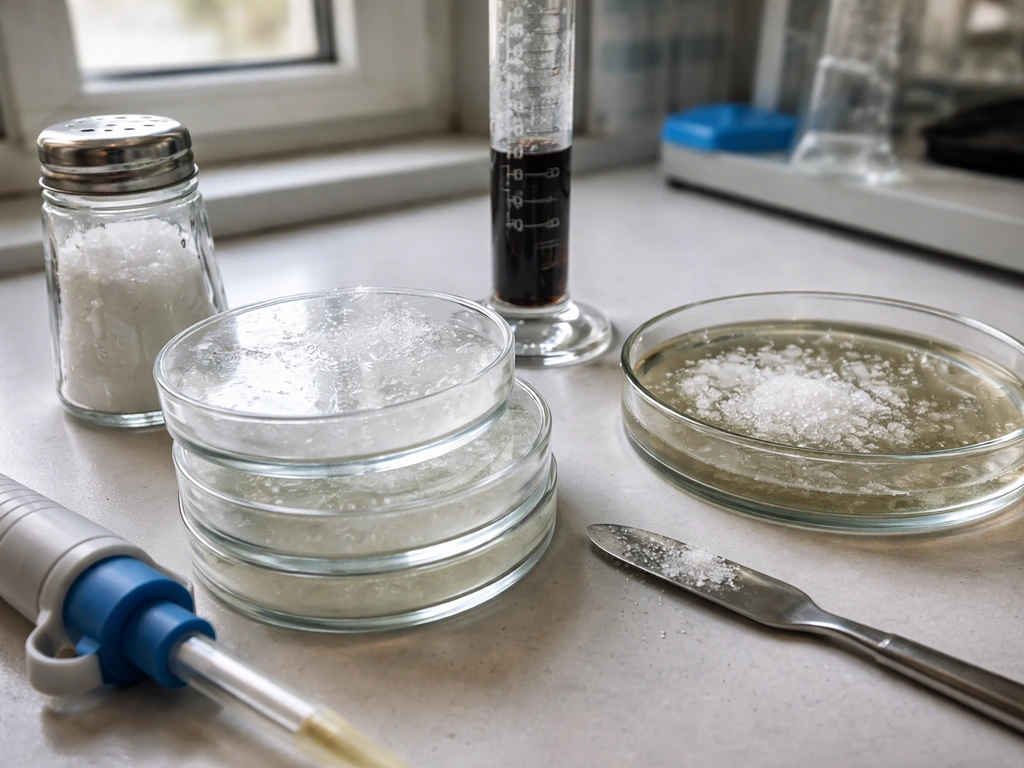
What halophiles are and why salt matters
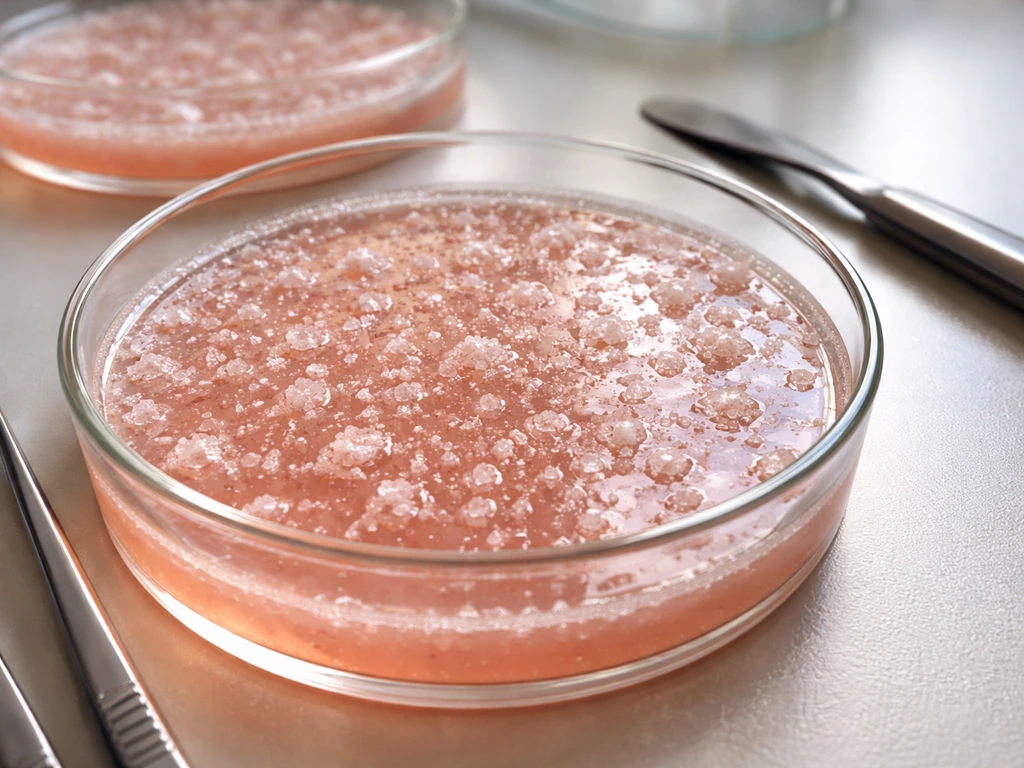
The word halophile comes from the Greek for 'salt-loving,' and that label is accurate in a very literal sense. Halophiles are microorganisms, mostly bacteria and archaea, that are not just tolerant of salt but actually require it to grow. Their cell chemistry, membrane structure, and enzyme function are all tuned for high-salinity conditions. Remove the salt and their proteins denature, their membranes destabilize, and growth stops entirely.
This is worth separating from a related but different concept: halotolerance. A halotolerant organism can survive in high-salt conditions but actually prefers low or moderate salinity. Think of it like a person who can function in very cold water but would rather swim somewhere warm. A halophile, on the other hand, needs the cold water to survive at all. That distinction matters enormously when you're trying to predict whether a microbe will grow in a given salted food or brine.
The direct answer: what condition a halophile grows best in
A halophile grows best in high-salinity conditions, typically defined as NaCl concentrations above 0.2 M as a baseline, with the optimum depending heavily on which type of halophile you're dealing with. For extreme halophiles (the most salt-dependent group), optimal growth happens at NaCl concentrations between roughly 15% and 30% (w/v). A well-studied example, Halobacterium, grows optimally between 3.4 M and 5.1 M NaCl, which translates to approximately 20% to 30% NaCl. At those concentrations, most foodborne pathogens and common spoilage bacteria are completely dead.
The key misconception to avoid is thinking halophiles simply 'like salt.' They require it at a sufficiently high concentration. A moderate halophile placed in 2% NaCl isn't going to be content. It's going to struggle. The optimum isn't just a preference, it's the condition their biology is built for.
Salt ranges, water activity, and what 'optimum' actually means
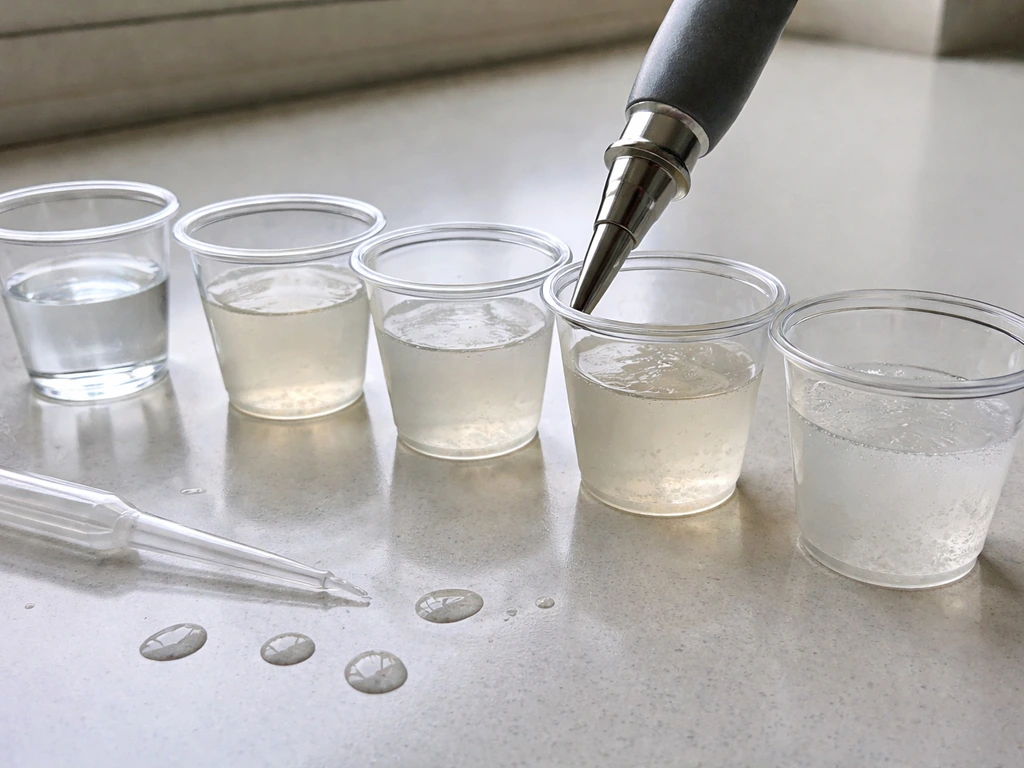
Microbiologists classify halophiles into three practical groups based on the NaCl concentration where they grow best. Understanding which group you're dealing with tells you immediately what conditions to expect growth in.
| Category | Optimal NaCl Range | Approximate Water Activity (aw) | Example Organisms |
|---|---|---|---|
| Halotolerant | 1–6% NaCl | ~0.96–0.99 | Some Staphylococcus strains |
| Moderate halophile | 6–15% NaCl | ~0.86–0.96 | Many halophilic bacteria in salted foods |
| Extreme halophile | 15–30% NaCl | ~0.75–0.86 | Halobacterium, Haloarcula, Haloferax spp. |
In food science and preservation work, we almost always express salt concentration in terms of water activity (aw) rather than percent NaCl alone. Water activity is the ratio of the vapor pressure of water in a solution to that of pure water, on a scale from 0 to 1. Pure water has an aw of 1.00. A 22% NaCl solution has an aw of roughly 0.86. The lower the aw, the less available water there is for microbial growth, regardless of which solute is causing the reduction.
Most regular bacteria need aw between 0.90 and 1.00 to grow. Halophilic bacteria can push that limit down to approximately 0.75, which is the generally accepted lower bound cited by food safety authorities including the FAO. Below 0.75, even halophiles stop growing. The absolute floor for any microbial life is around aw 0.60, but that applies only to specialized xerophiles and osmophiles, not halophiles.
An important nuance: water activity reflects the combined effect of all solutes in a food, not just NaCl. Sugar, other salts, and organic acids all lower aw. So when you're assessing growth risk in a real food product, the percent salt on the label isn't the whole story. You need the actual aw value to know where you stand.
Salt is the main driver, but these factors still matter
Salt concentration and water activity are the primary variables for halophile growth, but they don't work in isolation. A halophile living in ideal salinity can still be knocked back by unfavorable pH, temperature, or oxygen conditions. Here's how each factor plays in.
pH
Most extremely halophilic archaea have pH optima that fall into two camps: neutrophilic strains that grow best around pH 7, and alkaliphilic strains that prefer pH 8.5 or higher. In practical culture studies, Haloferax mediterranei is maintained at around pH 7.3, while Haloferax strain BBK2 shows optimal growth at pH 7 to 9. This range is fairly broad and overlaps with many natural brine and salted-food environments, which is part of why these organisms persist so well in those settings.
Temperature
Extreme halophiles are often thermophilic as well, meaning they prefer warm conditions. psychrophiles grow best in warm temperatures Bacteria can grow in temperatures between 0°C and 45°C; Halobacterium cultures grow fastest at 42°C, and Haloferax mediterranei culture protocols also use 42°C. For food safety contexts, the relevant takeaway is that moderate and warm storage temperatures (room temperature and above) are more likely to support halophile growth in high-salt products than refrigeration, though cold storage alone won't guarantee safety if the product is heavily salted and aw is already in the halophile growth range. mesophiles grow best at
Oxygen
Many haloarchaea are aerobic or facultatively anaerobic, meaning oxygen availability matters. Haloferax mediterranei is cultured under aerobic conditions with active aeration. In hypersaline environments with limited oxygen, some archaea rely on bacteriorhodopsin (a light-driven proton pump) for energy, allowing survival even when oxygen is depleted. In food processing terms, vacuum packaging or anaerobic fermentation conditions can shift which halophilic populations dominate, so oxygen shouldn't be treated as a reliable hurdle on its own.
Where halophiles actually live
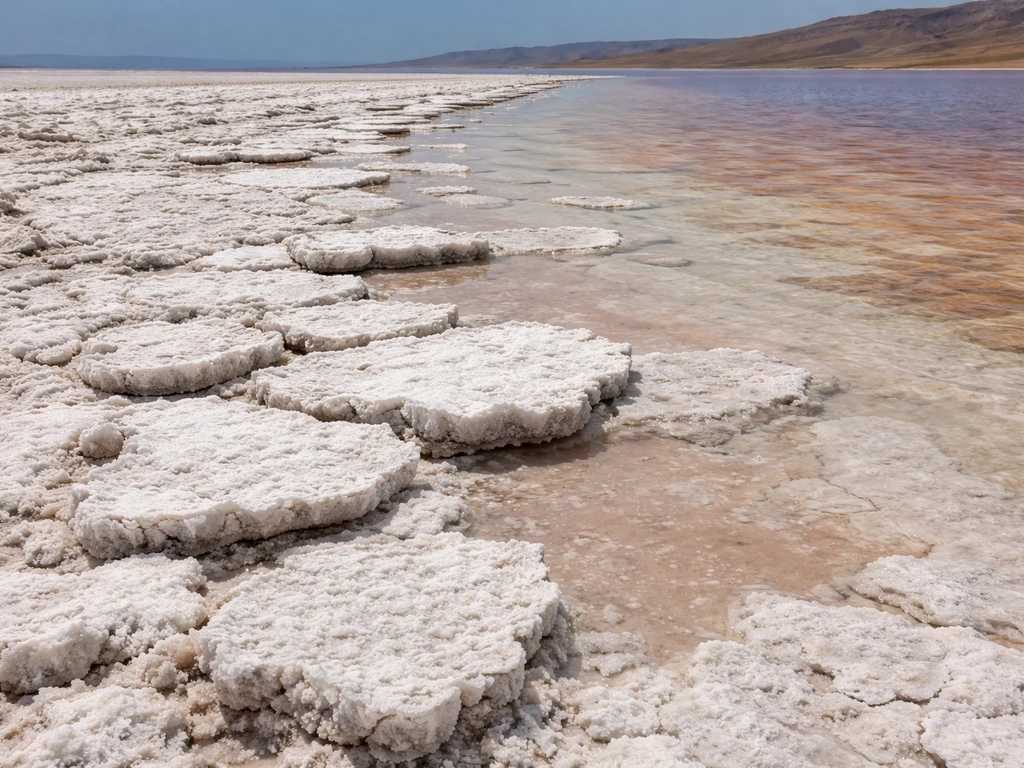
Halophiles are found wherever salt concentrations are consistently high. Naturally, that includes hypersaline lakes (like the Dead Sea and Great Salt Lake), coastal salterns, and solar evaporation ponds. These environments routinely hit NaCl concentrations of 15–30%, which is the sweet spot for extreme halophiles. Salt-harvesting operations actually select for halophilic microbial communities over time, which is why food-grade salt itself can carry haloarchaeal genera including Halorubrum, Halobacterium, and Haloarcula.
In food contexts, the habitats that matter most are salted, cured, or fermented products. Halobacterium salinarum, one of the most studied species, has been found in salted fish, salt pork, marine fish sausages, and preserved hides. Salt-cured meats and high-salt fermented products like certain fish sauces and dry-brined vegetables all create conditions where halophiles can establish themselves, especially when salt concentration is high enough to kill off competitors but not quite high enough, or not maintained consistently enough, to suppress halophilic growth entirely.
What this means for food safety in practice
From a food safety standpoint, halophiles are primarily a spoilage concern rather than a direct pathogen threat. Most known halophilic archaea and bacteria are not recognized foodborne pathogens in the same way that Salmonella or Listeria are. However, spoilage by halophiles in heavily salted products (discoloration, off-odors, slime in salted fish for example) represents real product quality and economic losses. And in a few documented cases, halophilic organisms capable of producing harmful compounds in certain conditions are a legitimate concern in traditional fermented salt-fish products.
The practical tool for predicting risk is water activity measurement. If a salted product has an aw at or above 0.75, halophilic bacteria cannot be ruled out as potential growers, especially at warm storage temperatures. If aw is below 0.75, halophile growth becomes extremely unlikely. Products with aw between 0.75 and 0.86 fall into the moderate halophile zone. Products with aw between 0.86 and 0.96 can still support moderate halophile growth and should be handled carefully.
Salt as a food preservation tool works best when understood as part of a multi-hurdle system. Salt alone, even at high concentrations, may not suppress all halophiles. Combining salt-driven aw reduction with refrigeration (lowering temperature), acid addition (lowering pH), or modified atmosphere packaging (manipulating oxygen) creates multiple simultaneous barriers that halophiles cannot overcome together even if they could tolerate any single one in isolation. This is the core logic behind most traditional preservation methods for high-salt products.
A quick decision framework for salted food products
- Measure or calculate the product's water activity (aw), not just percent salt by weight.
- If aw is above 0.90, standard bacterial pathogens and spoilage organisms are the primary concern. Halophiles are not likely growing at their optimum.
- If aw is between 0.75 and 0.90, moderate and extreme halophiles can potentially grow. Consider temperature control and pH as additional hurdles.
- If aw is below 0.75, halophile growth is generally considered suppressed, and you're in the range where even salt-adapted organisms stop reproducing.
- Always account for temperature: warm storage (above 25°C) accelerates halophile growth relative to refrigeration even when salt levels are high.
- Combine salt with at least one additional hurdle (refrigeration, acidification, or oxygen exclusion) for reliable control in borderline aw ranges.
If you're evaluating contamination risk in a specific food product and are also thinking about organisms on the opposite end of the spectrum (those that grow in cold, low-salt conditions, for instance), the same aw and temperature frameworks apply but with very different threshold numbers. Understanding where halophiles sit on that spectrum makes it much easier to read the full picture of what can grow in a given product and under what storage conditions.
FAQ
Is it enough to use the salt percentage on a label to know whether halophiles can grow?
Not always. Percent NaCl can mislead because water activity depends on all solutes (other salts, sugar, acids, and even proteins). For risk decisions, measure water activity (aw) on the actual product, or use a validated reformulation model for that specific recipe and temperature.
Why do some foods with “high salt” still spoil even if the NaCl seems high?
Halophiles can still grow if the product’s aw stays in the halophile-supporting range, which can happen when other ingredients bind or contribute water, lowering the effectiveness of salt as a hurdle. Also, salt distribution matters, if there are low-salt pockets (poor mixing, brine stratification), local aw can rise enough for growth.
What aw value should I use as a practical cutoff for halophile risk?
Use aw around 0.75 as the conservative dividing line. At or above about 0.75, halophilic growth is possible at suitable temperatures; below about 0.75, growth becomes extremely unlikely. If you fall between 0.75 and 0.86, assume moderate halophiles could grow, even if pathogens are unlikely.
Do refrigeration and freezing always prevent halophile growth in salted foods?
They reduce growth but do not guarantee safety. Some halophiles can remain viable at low temperatures and may slowly grow or resume growth when temperatures rise. In practice, you need both a sufficiently low aw and temperature control, and you should consider the product’s time out of refrigeration and temperature abuse.
How does pH change the salt requirement for halophiles?
pH can narrow or shift the effective growth window. Even if aw is high enough, growth may stall if pH is outside the organism’s tolerable range (many haloarchaea cluster around near-neutral to moderately alkaline conditions). Conversely, a product that is near an organism’s pH optimum can support growth at the lower end of salt-driven aw reductions.
Does oxygen matter for halophile growth in sealed or fermented foods?
Yes, but not as a reliable single hurdle. Oxygen availability influences which halophilic populations dominate, some are aerobic or facultatively anaerobic, and others can rely on light-driven energy sources. Vacuum packaging and anaerobic fermentation can change the mix of organisms, but they can still permit spoilage if aw and temperature are favorable.
Are halophiles always a spoilage problem, or can they be a food safety risk?
Most halophiles are mainly spoilage organisms, causing sensory and texture failures. However, a small number of halophiles have been implicated in harmful compound production in specific traditional salt-fish fermentation contexts, so unusual products or processes should be assessed using local process controls, not salt level alone.
What’s the difference between halophiles and halotolerant microbes for food risk?
Halophiles require sufficiently high salinity to grow, halotolerant organisms can survive in salt but prefer lower salinity for best growth. In a high-salt product, halophiles are the limiting group for growth, while some halotolerants may still survive for long periods and contribute to spoilage if aw or salt conditions drift.
Can common processing steps accidentally increase halophile growth risk?
Yes. Rehydrating dried salted ingredients, topping with fresh brine that has a higher aw than the original, or allowing dilution through moisture uptake can raise aw into the growth-supporting range. Storage humidity changes can also matter for dried or semi-dried salted products.
How do I make a multi-hurdle plan if I’m trying to suppress halophiles?
Treat salt (aw), temperature, pH, and atmosphere as combined barriers, not substitutes. Aim for aw clearly below the halophile growth threshold for your product type, then prevent temperature abuse, ensure pH stays within a limiting range, and consider oxygen exposure. Validate with aw measurements and shelf-life testing for the exact formulation.
Next Article
In Which Foods Bacteria May Grow Rapidly and Why
Foods in the danger zone, with moisture, proteins, and neutral pH like meat, dairy, eggs, cut produce, and warm leftover