Bacteria grow rapidly in foods that are moist, protein-rich, close to neutral in pH, temperatures between 40°F and 140°F That range is called the temperature danger zone, and it is where most foodborne pathogens multiply fastest. The short answer to which foods are highest risk: meat, poultry, seafood, dairy, eggs, cooked grains, and cut produce. If any of those foods spend more than two hours in the danger zone, you have a real problem. where do pathogens grow best. pathogenic bacteria grow best in the danger zone
In Which Foods Bacteria May Grow Rapidly and Why

Marcus Reeves
24 Mar 2026
The conditions that let bacteria multiply fast
Five factors determine whether bacteria will multiply quickly in a food. Understanding them helps you recognize risk in almost any situation, not just the obvious ones.
Temperature
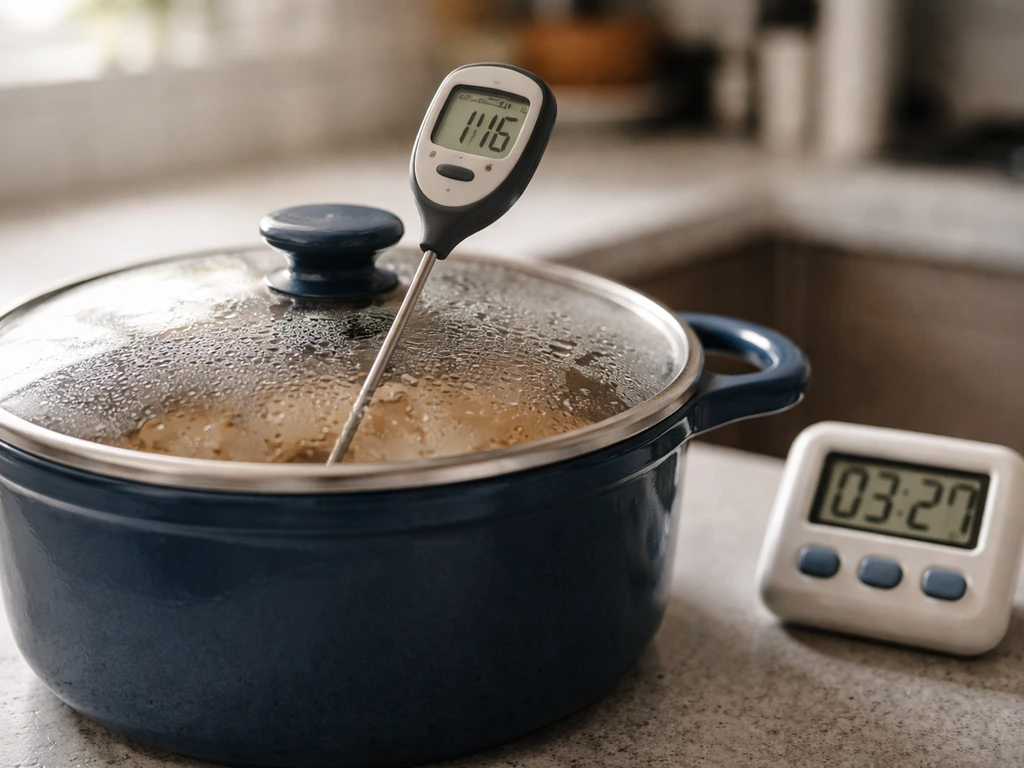
The USDA FSIS defines the temperature danger zone as 40°F to 140°F (4°C to 60°C). Inside that range, bacteria can double in number in as little as 20 minutes under ideal conditions. The FDA recommends discarding perishable foods left at room temperature for more than two hours, and just one hour if the ambient temperature is above 90°F. Keep food either cold (at or below 40°F) or hot (at or above 140°F) to stay out of that window.
Moisture and water activity
Water activity (abbreviated aw) measures how much free water is available for microbial use, on a scale from 0 to 1.0. The FDA notes that most fresh foods have aw above 0.95, which is more than enough to support bacterial growth. Bacterial pathogens are generally controlled only when aw drops well below 0.90. Some pathogens are hardier: Staphylococcus aureus can grow at aw values as low as 0.83. The practical takeaway is that wet, fresh foods are always at higher risk than dry ones.
pH and acidity
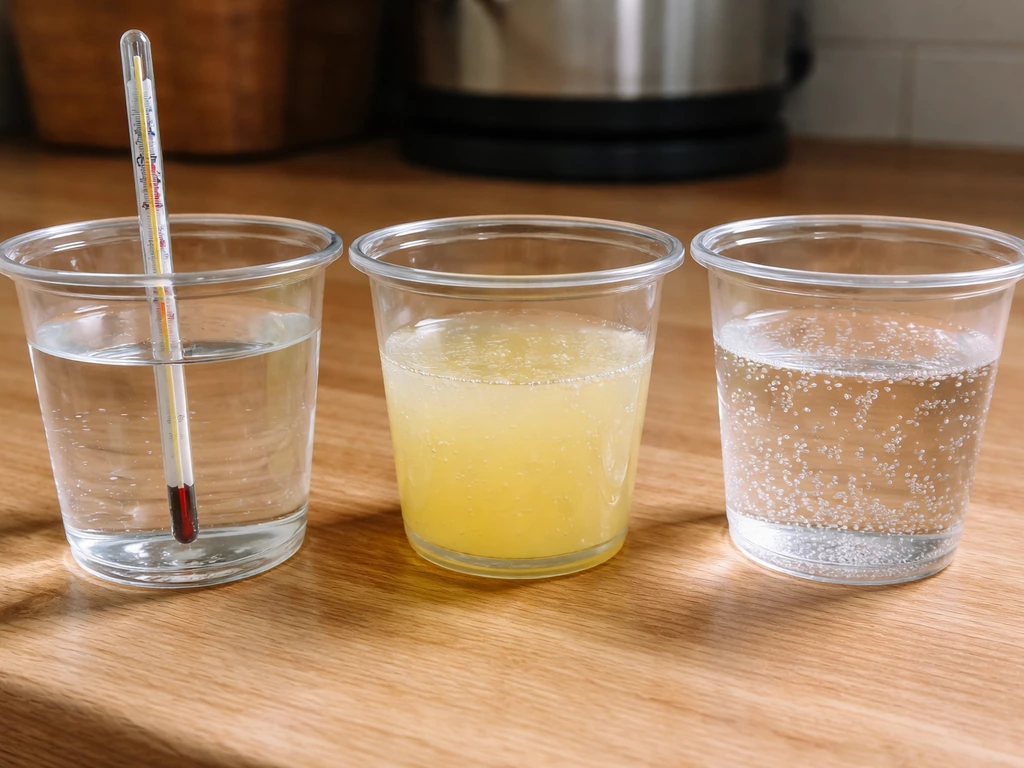
Most dangerous bacterial pathogens grow best in foods with a pH between roughly 4.6 and 7.5, which covers most fresh meats, dairy, cooked starches, and many vegetables. Foods with a pH at or below 4.6 are considered acidic enough to stop most bacterial growth, which is why the FDA uses pH 4.6 as the regulatory boundary for acidified foods. Pathogens like Bacillus cereus and Staphylococcus aureus have broad pH growth ranges (approximately 4.5 to 9.3), meaning slightly acidic foods are not necessarily safe if other conditions favor growth. pathogens grow best in food with little or no acid
Oxygen
Oxygen requirements vary by pathogen. Some bacteria need oxygen (aerobic), some are killed by it (anaerobic), and others, called facultative anaerobes, can grow with or without it. Listeria monocytogenes is a facultative anaerobe, meaning vacuum-sealed or modified-atmosphere packaging does not stop its growth. Clostridium perfringens thrives in low-oxygen environments like the center of a large pot of stew or a tightly packed casserole. This is why packaging type alone cannot be relied on to control growth.
Nutrients
Bacteria need carbon, nitrogen, vitamins, and minerals to multiply. Foods high in protein and carbohydrates provide everything bacteria need. This is why cooked meat, dairy, and starchy leftovers are so much riskier than, say, a bottle of vinegar. The food itself is literally the growth medium.
Food categories most likely to support rapid growth
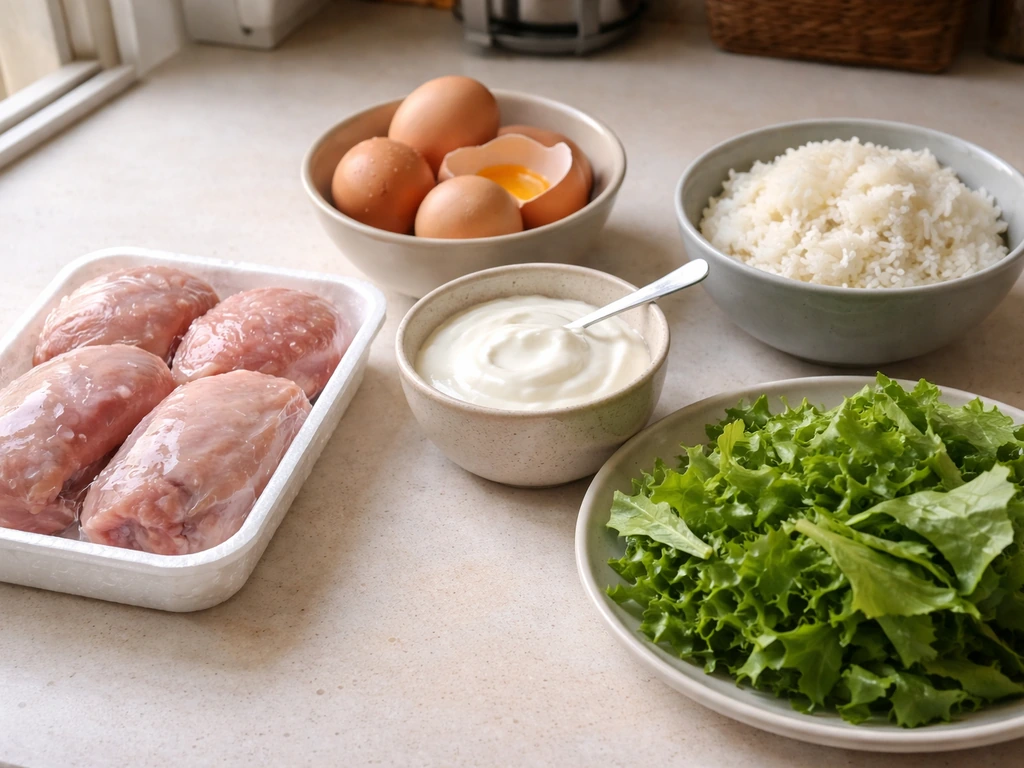
Food safety professionals use the term TCS (Time/Temperature Control for Safety) foods to describe items that need strict temperature management because they readily support pathogen growth. The common thread across all TCS foods is high moisture (a_w typically above 0.85) combined with a near-neutral pH and abundant nutrients. These foods are not dangerous by definition, but they become dangerous quickly when temperature control slips.
- Raw and cooked meat, poultry, and seafood
- Dairy products including milk, soft cheeses, and cream-based foods
- Eggs and egg-containing dishes
- Cooked rice, pasta, beans, and potatoes
- Cut or processed fruits and vegetables
- Ready-to-eat deli products and prepared salads
Meat, poultry, and seafood: the highest-risk category
Raw and cooked animal proteins sit at the top of the risk list. They have high water activity (typically above 0.95), a pH close to neutral (around 5.5 to 7.0 depending on the product), and dense protein and fat content that bacteria thrive on. Poultry carries Salmonella and Campylobacter. Ground beef can harbor E. coli O157:H7. Seafood can contain Vibrio, which doubles in number remarkably fast in warm conditions.
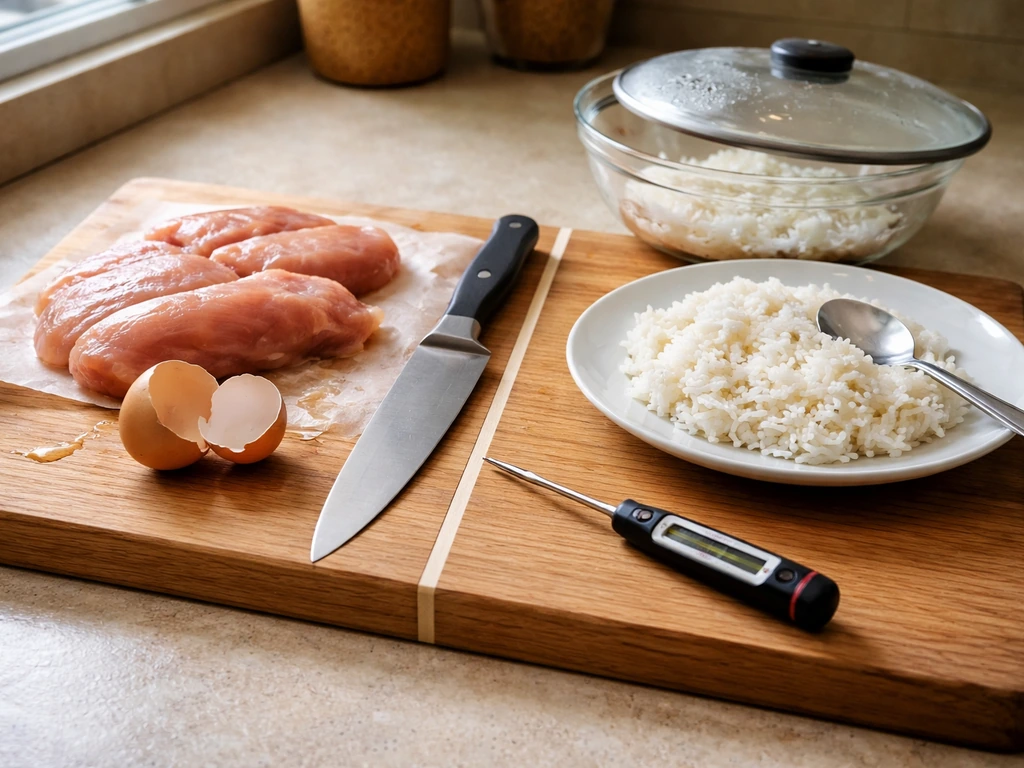
The danger is not just raw product. Cooked meat and poultry that is sliced, cooled slowly, or held warm at a buffet creates exactly the right conditions for Clostridium perfringens, which has an optimal growth temperature between 109°F and 117°F (43°C to 47°C). A pot of cooked chicken stew sitting on the back of the stove is a textbook C. perfringens scenario.
Ready-to-eat deli meats deserve special mention. They are fully cooked, but slicing at the deli counter reintroduces contamination risk. Listeria monocytogenes can grow in refrigerated, sliced deli meat because it tolerates cold temperatures (it can grow from about 34°F to 113°F / 1°C to 45°C) and does not need oxygen. FDA risk assessments on retail delis identify improper temperature control and slicing practices as key risk factors for listeriosis outbreaks.
Dairy and eggs: risk tied to handling and temperature
Fluid milk, soft cheeses, cream, and custards all have high water activity and a near-neutral pH, making them excellent bacterial growth media. The CDC specifically recommends pasteurized dairy over raw milk because pasteurization destroys vegetative pathogen cells that would otherwise have access to a very hospitable environment. When pasteurized dairy is mishandled, that protective step is wasted.
Soft cheeses like ricotta, Brie, and queso fresco present more risk than hard, aged cheeses. Lower moisture content and higher acidity in aged hard cheeses slow bacterial growth significantly. Soft, fresh cheeses have high a_w and are closer to neutral pH, which is why they appear more often in Listeria-related recalls.
Eggs and egg-based dishes, including egg salad, hollandaise, and custards, create concentrated protein-and-moisture environments. Once you crack an egg, cook it, or mix it into a dish, you have removed the natural barrier of the shell and changed the physical structure of the protein. The resulting food needs to be held cold or kept hot. Staphylococcus aureus is particularly concerning in egg dishes left at room temperature because it can grow and produce heat-stable toxins that cooking later will not destroy.
Cooked grains, starches, and leftovers
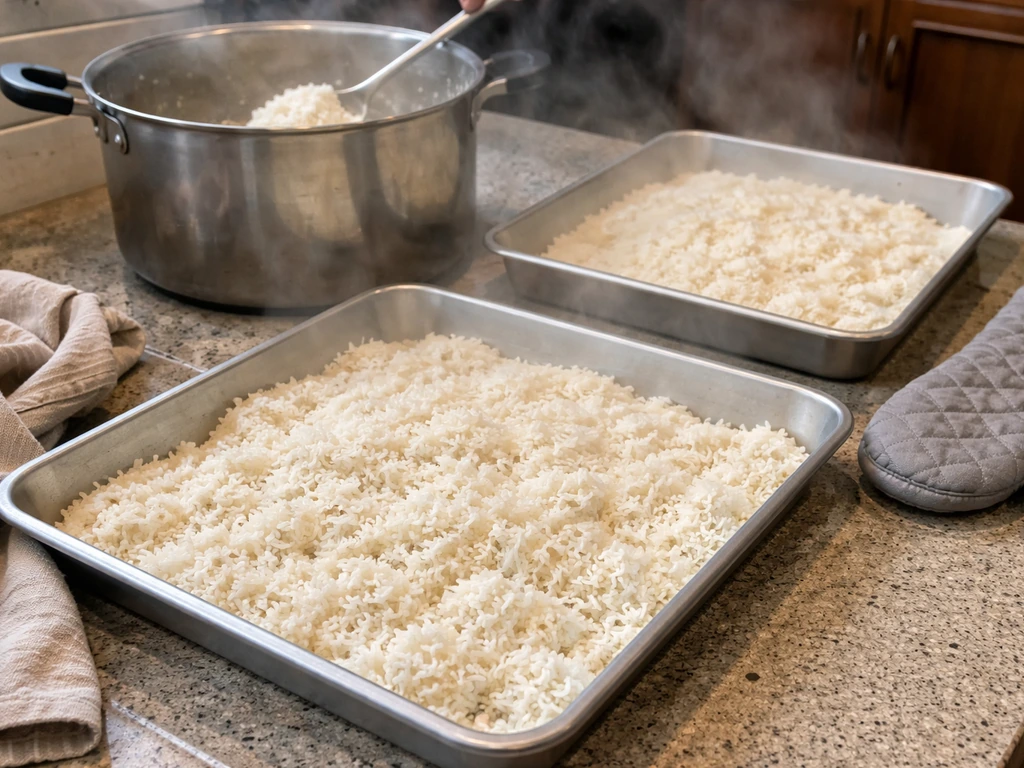
Cooked rice, pasta, potatoes, and beans are a frequently underestimated risk. They start out hot and safe, but they cool slowly in large volumes and absorb moisture during cooking, raising their water activity dramatically compared to the dry product. Bacillus cereus, which is common in soil and therefore on raw rice and grains, forms spores that survive cooking. When cooked rice sits at room temperature, those spores germinate and the bacteria multiply rapidly. B. cereus can grow at temperatures as low as 39°F (4°C) and as high as 118°F (48°C), a wide range that covers most mishandling scenarios.
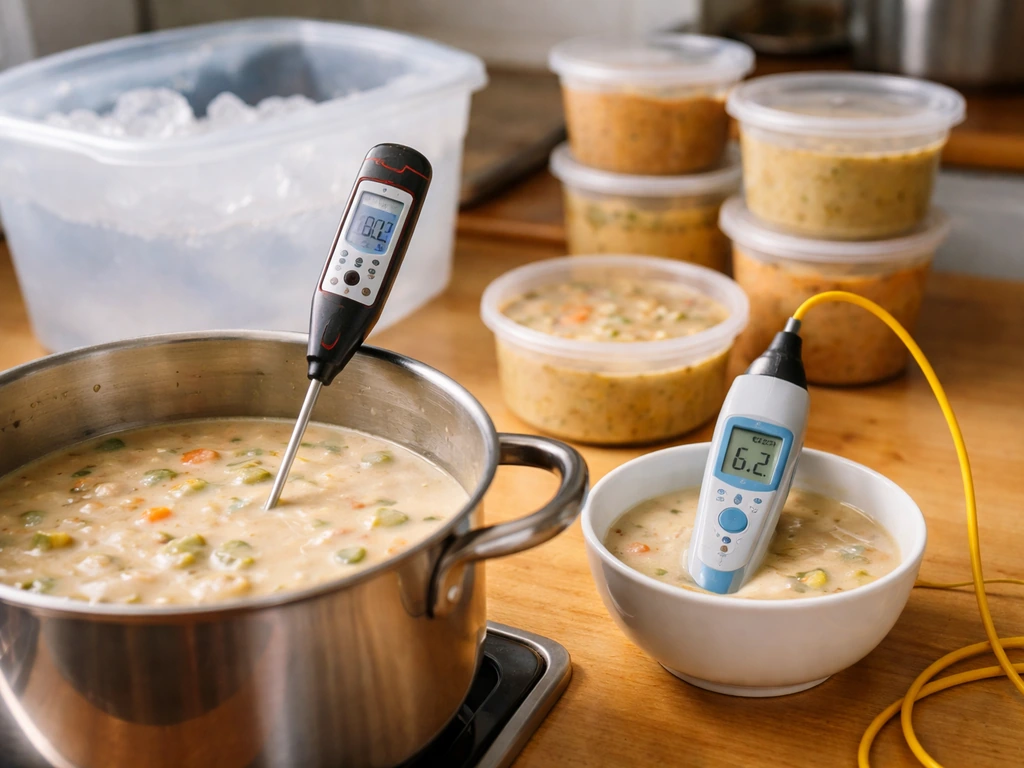
The same logic applies to all cooked leftovers. The USDA recommends cooling cooked food from 135°F to 70°F within two hours, and then from 70°F to 41°F within an additional four hours, for a total cooling window of six hours. Putting a large pot of soup directly into the refrigerator without portioning it into shallow containers means the center of that pot may sit in the danger zone for hours. That is exactly when bacterial populations can reach unsafe levels.
Fruits and vegetables: whole is safer, cut is riskier
Whole, intact fruits and vegetables are generally lower risk than meat or dairy, but the picture changes significantly once they are cut, peeled, or processed. An unbroken skin or rind acts as a physical barrier that limits bacterial access to the nutrient-rich interior. Once you cut a tomato, shred cabbage, or slice melon, you expose moist, nutrient-dense flesh with a near-neutral or only mildly acidic pH.
The FDA specifically requires that cut leafy greens be received and held at 41°F (5°C) or below, and that cut tomatoes meet the same temperature requirement before being removed from temperature control. These are not arbitrary rules. Cut produce has caused real outbreaks involving Salmonella, E. coli, and Listeria because the exposed surfaces have enough water activity and nutrients to support rapid growth when temperature control fails.
Cut melons, sliced tomatoes, shredded lettuce, prepared fruit salads, and fresh-squeezed juices all fall into this higher-risk category. If a cut fruit or vegetable has been sitting at room temperature for more than two hours, the same two-hour rule that applies to meat and dairy applies here too.
Foods that slow or stop bacterial growth
Not every food supports rapid bacterial growth. Understanding which foods are naturally more resistant helps put the high-risk list in context. The conditions that prevent growth are the same ones already discussed: low water activity, high acidity, temperature control, and in some cases low oxygen or preservatives.
| Food / Category | Key Protective Factor | Notes |
|---|---|---|
| Dry crackers, chips, dried pasta | Low water activity (a_w below 0.60) | Far below the threshold most bacteria need to grow |
| Honey | Very low a_w (~0.60), high sugar concentration | Resistant to bacterial growth; mold/yeast are also inhibited |
| Pickles and fermented vegetables | Low pH (often below 4.6), acidity | Acid produced by fermentation or added vinegar controls growth |
| Commercially canned goods | Low a_w, heat sterilization, sealed environment | Risk returns if can is dented, rusted, or improperly processed |
| Aged hard cheeses (cheddar, parmesan) | Reduced moisture, lower a_w, some acidity | Much lower risk than soft, fresh cheeses |
| Fruit jams and preserves (high-sugar) | Low a_w due to sugar, often low pH from fruit acids | Properly sealed and processed jars resist bacterial growth |
| Vinegar-based dressings and hot sauces | pH below 4.6, acidity | Acidity controls most vegetative bacterial cells |
The important caveat is that some of these protections can be compromised. A jar of peanut butter has low water activity and resists most bacterial growth, but diluting it with high-moisture ingredients or contaminating it with a wet utensil can change the local a_w at the surface. Dry foods that absorb moisture over time, or fermented foods that are improperly sealed and allow pH to rise, are no longer protected by those same factors.
What to actually do to prevent rapid bacterial growth
Knowing which foods are high risk is useful, but what matters practically is changing how you handle them. Here are the concrete steps that directly address the conditions that allow rapid bacterial multiplication.
Keep cold foods cold and hot foods hot
Refrigerate TCS foods at 40°F (4°C) or below. Hold hot foods at 140°F (60°C) or above. Check your refrigerator temperature with a thermometer. Many home refrigerators run warmer than the dial setting suggests, and anything above 40°F is inside the danger zone.
Apply the two-hour rule without exceptions
Discard any perishable food that has been in the 40°F to 140°F range for more than two hours. On a hot summer day above 90°F, that window shrinks to one hour. This applies to buffet dishes, food left on the counter while cooking, and takeout containers sitting on the kitchen table.
Cool leftovers correctly
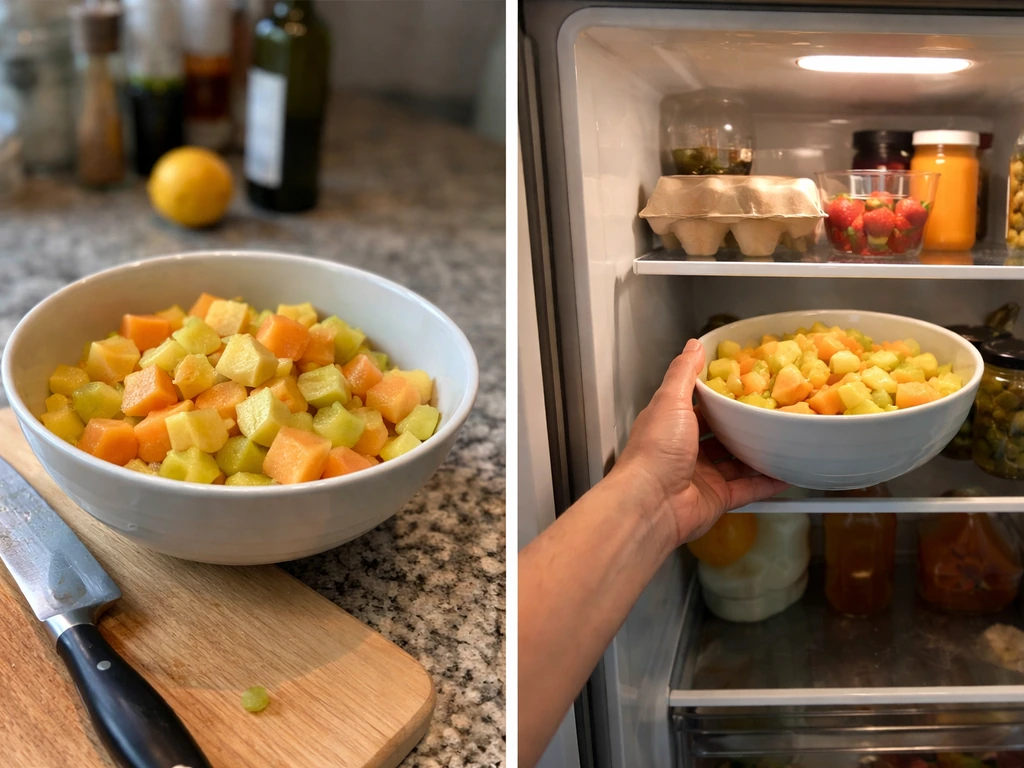
Do not put a large, hot pot directly into the refrigerator and assume it will cool fast enough. Divide cooked food into shallow containers (no more than 2 to 3 inches deep) to increase surface area and speed cooling. The target is to drop from 135°F to 70°F within two hours and reach 41°F within a total of six hours. Ice baths under the container help if you have a large volume.
Handle cut produce like you handle meat
Once you cut leafy greens, melon, tomatoes, or any fresh produce, refrigerate it promptly. Do not leave a cut watermelon or a chopped salad sitting on the counter. Apply the same two-hour rule you would to a piece of chicken.
Cook to safe internal temperatures
Cooking kills vegetative bacterial cells, but only if you reach the right internal temperature. The USDA recommends 165°F for poultry, and 145°F with a three-minute rest for whole cuts of beef, pork, veal, and lamb. Use a calibrated food thermometer to verify, not color or texture. Cooking to temperature removes the bacterial load before the food enters any holding or storage phase where new contamination could grow.
Pay attention to ready-to-eat and deli foods
Sliced deli meats, prepared salads, and refrigerated ready-to-eat products should be used within the recommended timeframes on the package, and always stored at or below 40°F. Listeria can grow slowly even under refrigeration, so time in the fridge still matters for these products. If you are in a higher-risk group (pregnant, immunocompromised, elderly, or very young), heat deli meats to steaming hot (165°F) before eating, as the FDA recommends for higher-risk populations.
Choose pasteurized dairy and eggs
Pasteurization reduces pathogen levels that would otherwise have access to an ideal growth environment. Raw milk removes that protection. For most people in most situations, pasteurized dairy is the practical choice that eliminates one significant risk variable.
Controlling bacterial growth in food comes down to denying bacteria the conditions they need: warmth, time, moisture, neutral pH, and nutrients. High-risk foods like meat, poultry, seafood, dairy, eggs, cooked grains, and cut produce provide most of those conditions by default. Your job is to control temperature and time. Get those two right consistently, and you eliminate most of the practical risk even in the highest-risk food categories. For a deeper look at how temperature ranges affect specific pathogens, or how pH levels interact with growth potential across pathogen types, those topics connect closely to the principles here and are worth understanding alongside this food-category breakdown.
FAQ
Does freezing stop bacteria in high-risk foods, or can bacteria still grow after freezing?
Freezing generally stops bacterial growth, but it does not reliably kill all bacteria or spores. When you thaw, the food can move back into the temperature danger zone, so thaw in the refrigerator (or a cold running method) and cook promptly.
If a food has been in the danger zone for less than two hours, is it always safe to eat?
Not always. The two-hour rule is a practical safety guideline, but risk increases with higher ambient temperatures, larger food volumes, thick portions, and foods like cooked rice or stew that can take longer to cool or heat evenly.
Why is cooked rice or pasta riskier than the same food when it is freshly cooked?
After cooking, cooling is the critical step. Spore-formers can survive cooking, then multiply as rice or pasta cools slowly in a deep pot or stays at room temperature, especially when the food remains moist.
Can bacteria grow in foods that look dry, like jerky or dry cereal?
Yes, but it is less common. Bacteria need enough available water (water activity). If a dry food absorbs moisture from the air or is contaminated with wet ingredients or a damp utensil, growth becomes more likely at the surface.
Does washing or rinsing high-risk foods like cut produce make them safe?
Rinsing can remove some surface contamination but it does not make cut produce equivalent to an intact fruit or vegetable. The exposed flesh still has the water and nutrients bacteria need, so temperature control after cutting is what reduces risk most.
Is it safe to reheat food once it has been refrigerated?
Reheating can kill bacteria present at that moment, but it will not reverse toxins that were already produced (for example, certain staph toxins). Reheat to steaming hot and avoid slow reheating that leaves the center in the danger zone.
Why does vacuum-sealing or modified-atmosphere packaging not guarantee safety?
Some pathogens do not require oxygen to grow, and Listeria can grow even under refrigerated conditions. Packaging can slow oxygen-dependent organisms, but it does not prevent growth when temperature control fails.
How can I tell if my refrigerator is actually cold enough for TCS foods?
Use an appliance thermometer placed in the main compartment (not the door) and check for consistent readings at or below 40°F (4°C). Many refrigerators run warmer than the dial setting, especially after frequent door opening.
What is the difference between killing bacteria by cooking and making food safe from contamination after cooking?
Cooking reduces vegetative bacteria when you reach proper internal temperatures, but contamination can be reintroduced during slicing, plating, cooling, or storage. The safest approach includes clean handling, fast cooling, and correct holding temperatures afterward.
If deli meat is fully cooked, why does it still carry risk?
After cooking, slicing at the deli counter and handling can reintroduce pathogens. Listeria can also grow slowly at refrigerator temperatures, so time in the fridge still matters, not just the fact that it is cooked.
How should I cool large batches safely if I cannot portion them right away?
Portioning into shallow containers is the key. If you cannot do it immediately, keep the food covered and actively manage cooling rather than placing a large, deep pot directly into the refrigerator, which can keep the center in the danger zone for hours.
Can yogurt, fermented foods, or pickled foods support rapid bacterial growth?
They are usually more resistant due to lower pH or preservatives, but that protection can fail if fermentation is incomplete, containers are not properly sealed, or pH rises due to improper storage. Also consider surface contamination introduced by wet utensils.
What internal temperatures should I use for re-checking doneness, and how does resting affect safety?
Use a calibrated thermometer and verify at the thickest part. Resting can be safe when cooking has met the recommended target, but it does not replace the need to cook to temperature and then hold or refrigerate promptly.
Are eggs safe if they are cooked, even if they sit out for a while?
Cooking kills bacteria present in the egg, but leaving egg dishes out allows growth and, in some cases, toxin formation that reheating may not remove. For high-risk contexts, keep egg dishes hot (above 140°F) or cold (at or below 40°F) and avoid long room-temperature holding.
Next Article
Pathogens Grow Best in Low-Acid Foods: pH and Control Steps
Learn why low-acid foods boost pathogen growth and get pH thresholds, controls, and time-temperature steps to prevent it