Germs grow best in warm conditions, not hot and not cold. The sweet spot for most common foodborne pathogens is between 40°F and 140°F (4°C and 60°C). That range is called the Danger Zone for a reason: bacteria like Salmonella, E. coli, and Listeria can double in number every 20 minutes when food sits in that window. at what temperatures do most foodborne pathogens grow most quickly Cold slows growth down or stops it entirely. Enough heat kills. But the details matter a lot, because not all germs behave the same way, and both "cold" and "hot" cover a wider range of conditions than most people realize. where do pathogens grow best
Do Germs Grow in Hot or Cold? Temperature and Food Safety

Marcus Reeves
24 Mar 2026
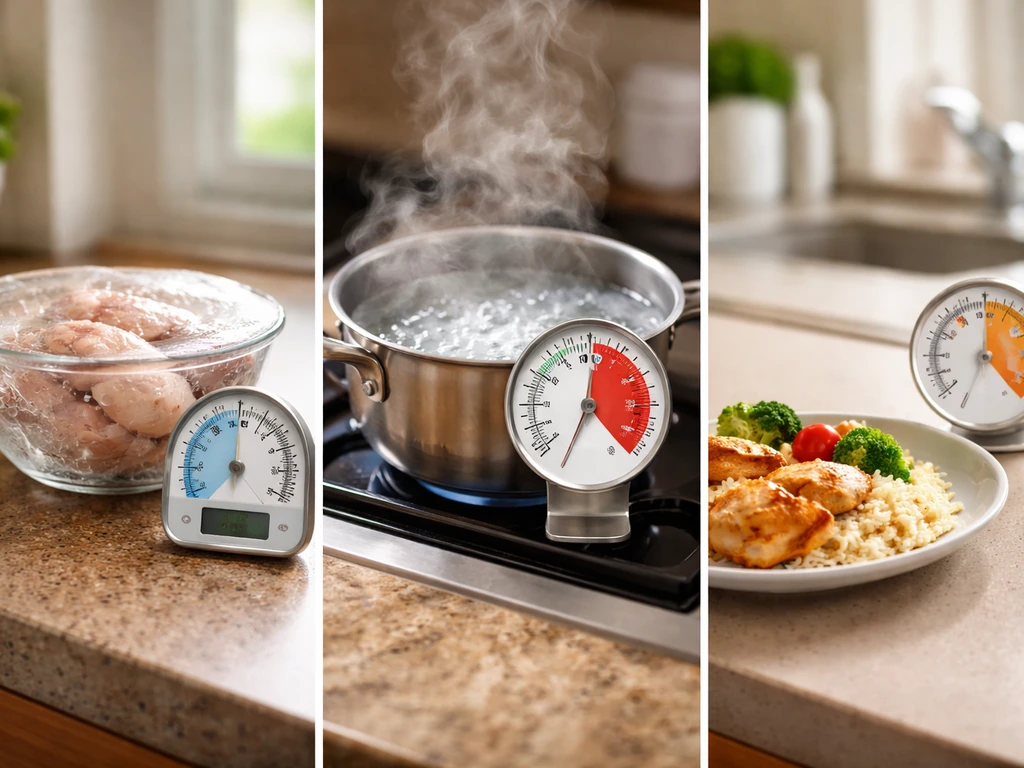
How temperature controls microbial growth
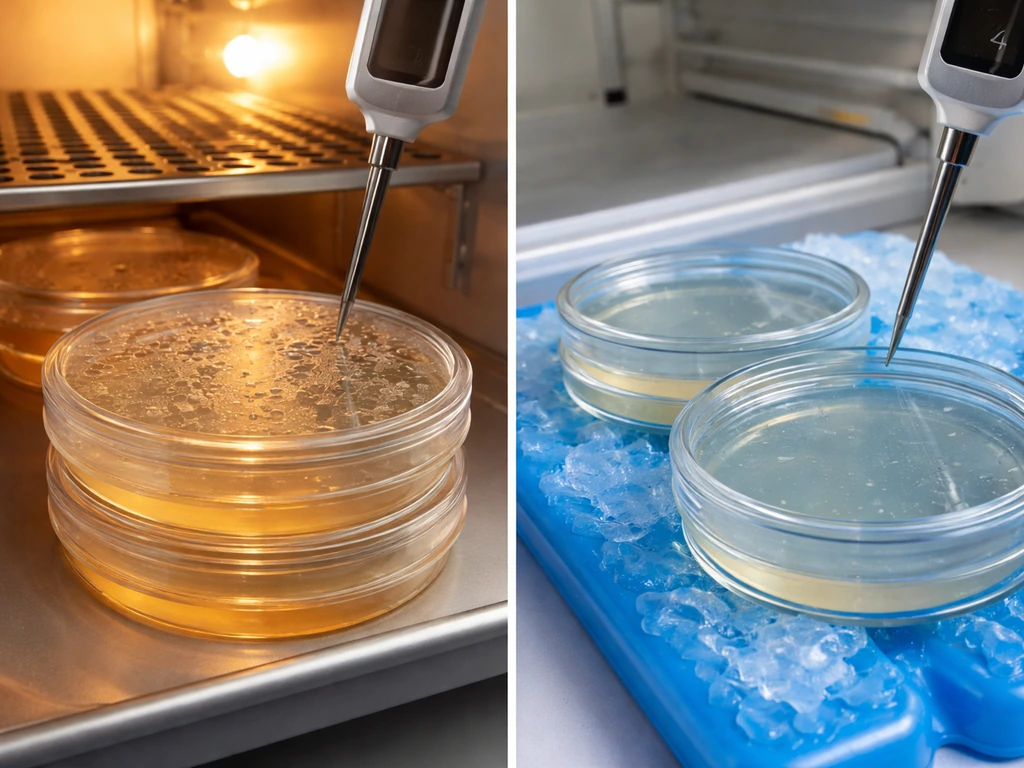
Every microorganism has three key temperature points: a minimum below which it cannot grow at all, an optimum where it grows fastest, and a maximum above which its proteins break down and it dies. These thresholds vary by species, but the underlying principle is universal. Temperature controls the speed of the biochemical reactions that power bacterial reproduction. Too cold and those reactions slow to a crawl. Too hot and enzymes denature, cell membranes rupture, and the organism dies.
For most of the pathogens you actually worry about in food, the optimum growth temperature is close to human body temperature, around 98.6°F (37°C). That is why raw proteins left on a warm counter or lightly warmed leftovers sitting in a slow cooker on "warm" mode are genuinely risky. The environment feels almost ideal to the bacteria.
Growth rate is not a simple on/off switch. Even inside the Danger Zone, growth is faster closer to the optimum and slower near the edges. A piece of chicken at 50°F is still in the Danger Zone, but bacteria multiply more slowly there than they do at 95°F. Understanding this gradient helps you make smarter decisions about time, not just temperature.
What cold really does: fridge, freezer, and thawing risks
Cold does not kill germs. That is the most important thing to understand here. Refrigeration and freezing are tools for slowing or stopping growth, not for sterilizing food.
Refrigerator temperatures (at or below 40°F / 4°C)
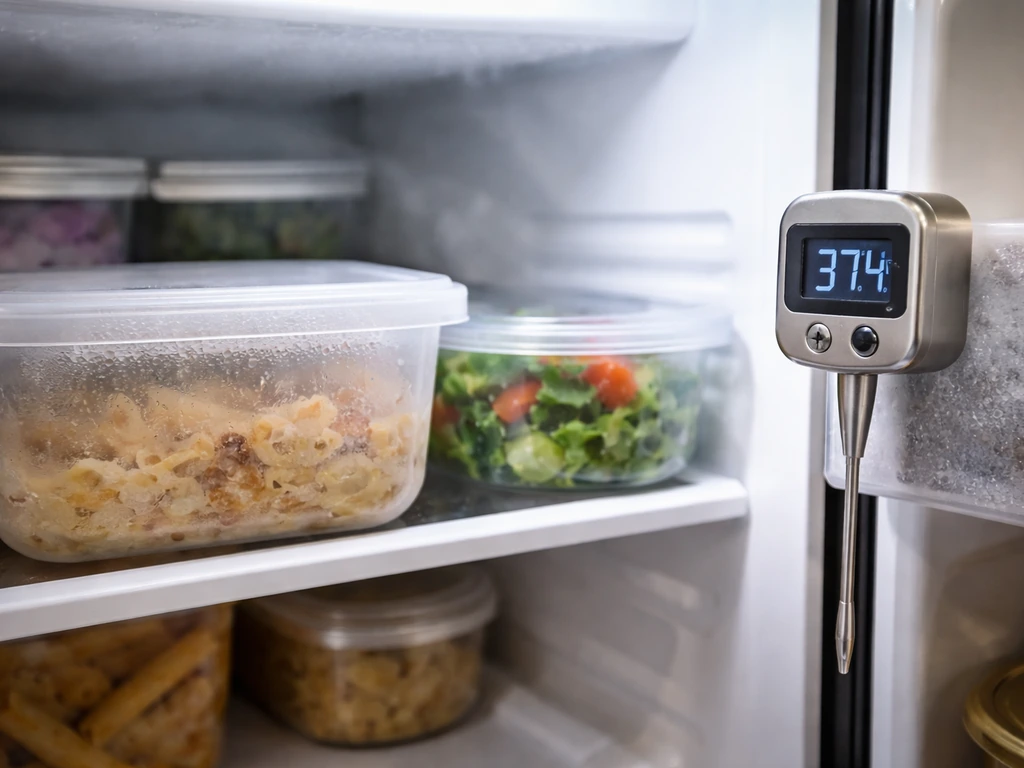
The FDA Food Code and USDA FSIS both set the cold holding threshold at 41°F (5°C) or below. At that temperature, most common pathogens grow extremely slowly or not at all. However, a refrigerator does not stop all microbial activity. Psychrotrophic organisms (more on those below) are adapted to grow in the fridge, which is why raw chicken stored too long at 38°F still goes bad. Refrigeration buys you time. It does not buy you indefinite safety.
Freezer temperatures (at or below 0°F / -18°C)
Freezing stops microbial growth entirely because liquid water, which bacteria require to function, is locked up as ice. But bacteria are not destroyed by freezing. Many pathogens, including Salmonella and Listeria, survive freezing in a dormant state and can resume growth once food thaws. Freezing is preservation, not decontamination.
Thawing: the hidden risk zone
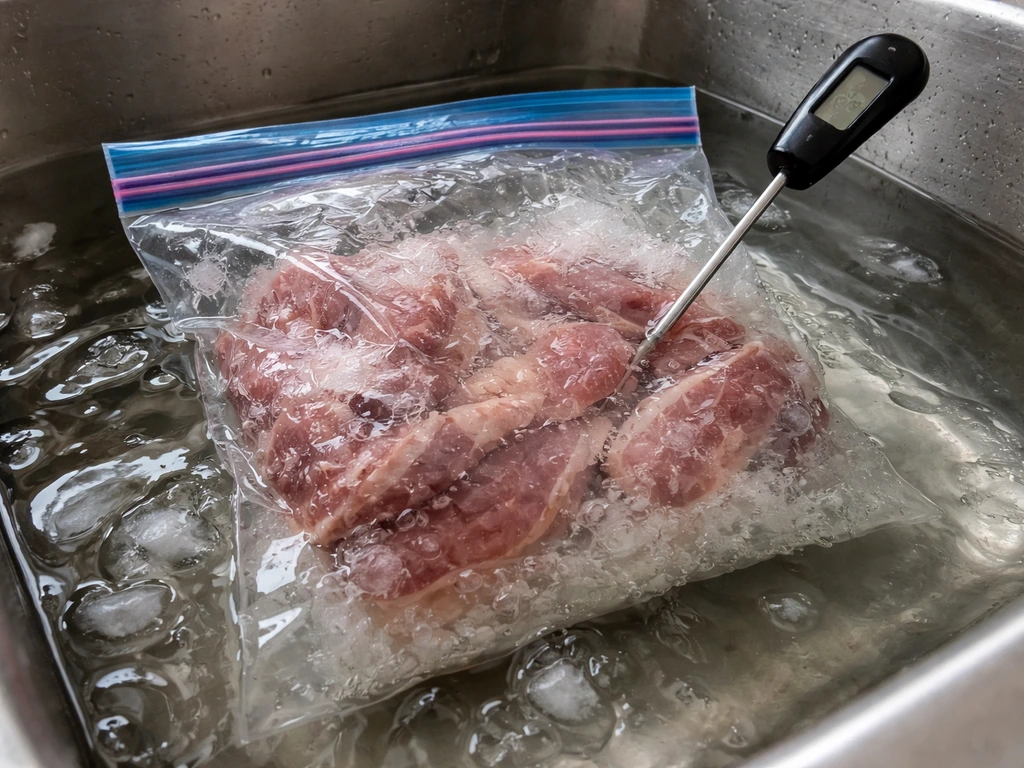
The danger with frozen food is not the freezing itself, it is the thawing. When food moves from frozen to room temperature, it passes through the entire Danger Zone on the way up. The outer layers of a large roast, for example, can reach 50°F to 70°F while the center is still frozen. Bacteria on the surface are already reproducing while the inside is still thawing. Safe thawing methods are: in the refrigerator, under cold running water (food must stay at 70°F or below and be cooked immediately after), or as part of the cooking process itself.
What heat really does: cooking, pasteurization, and hot holding
Heat above a pathogen's maximum survival temperature kills it. The key word is "sufficient." Warming food to 110°F does not kill pathogens. It puts food squarely inside the Danger Zone and can actually accelerate growth if the food stays there long enough.
Cooking temperatures and pathogen destruction
Standard cooking targets are designed to achieve a log reduction in pathogens, meaning a percentage kill rate, not just heat exposure. Poultry needs to reach 165°F (74°C) internally. Ground beef must hit 160°F (71°C). Whole cuts of beef, pork, lamb, and veal are safe at 145°F (63°C) with a three-minute rest. These numbers are not arbitrary. They reflect the combination of temperature and time needed to destroy dangerous levels of specific pathogens.
Pasteurization: heat without full cooking
Pasteurization works on the same principle: a lower temperature held for a longer time can achieve the same kill rate as a higher temperature held briefly. Milk pasteurized at 145°F (63°C) for 30 minutes achieves the same pathogen reduction as high-temperature short-time (HTST) pasteurization at 161°F (72°C) for 15 seconds. Time and temperature work together, which is why time/temperature control is the phrase you see throughout food safety literature.
Hot holding: staying above the Danger Zone
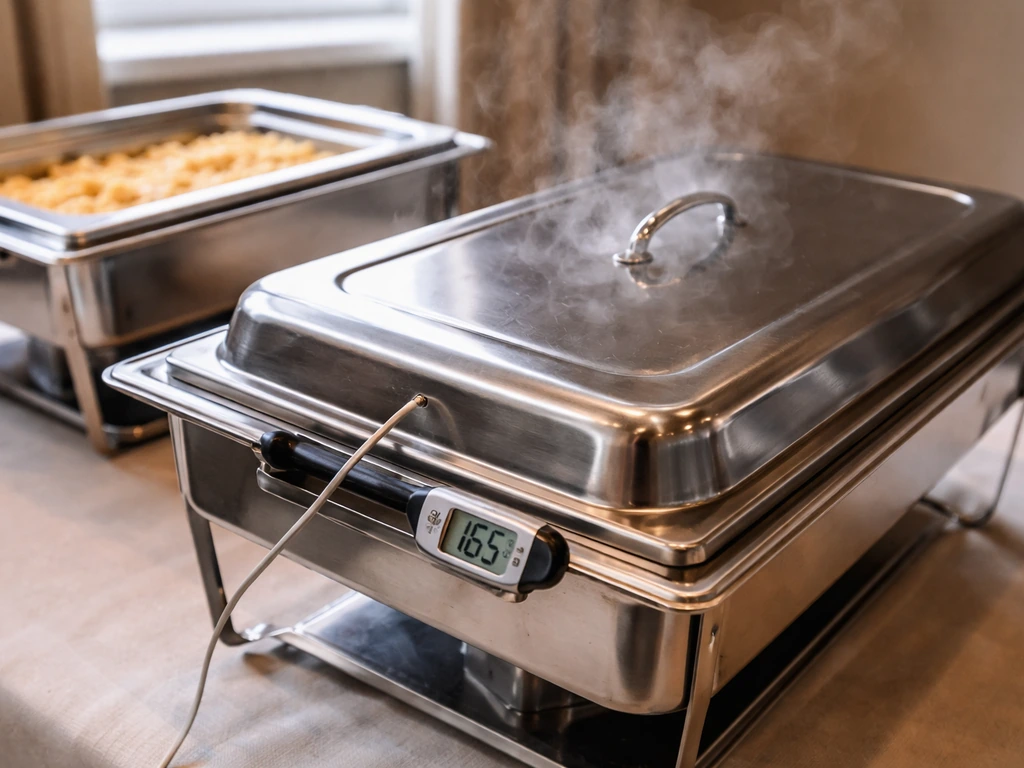
Once food is cooked, it must be kept at 135°F (57°C) or above if it is going to sit out. This is the FDA Food Code hot holding threshold. At 135°F, most common pathogens cannot grow. Drop below that, and you are back in the Danger Zone. A buffet tray running at 120°F looks hot and steaming, but it is actually a near-ideal incubator for bacterial growth.
Cold-tolerant vs heat-tolerant microbes
Not all germs follow the same temperature rules. Understanding the categories helps explain why refrigerating food is not a complete fix, and why some heat-resistant spores can survive even after cooking.
| Group | Growth Range | Optimum Temp | Common Examples | Food Safety Relevance |
|---|---|---|---|---|
| Psychrophiles | Below 32°F to ~59°F (0°C to 15°C) | Around 39°F (4°C) | Some Listeria strains, certain spoilage bacteria | Can grow in your refrigerator |
| Psychrotrophs | 32°F to 77°F (0°C to 25°C) | 50°F–68°F (10°C–20°C) | Listeria monocytogenes, Yersinia enterocolitica, some Pseudomonas | Major concern for refrigerated foods held too long |
| Mesophiles | 40°F to 110°F (4°C to 43°C) | 86°F–99°F (30°C–37°C) | Salmonella, E. coli O157:H7, Staphylococcus aureus, Campylobacter | The most common foodborne pathogens; thrive at room/body temp |
| Thermophiles | 104°F to 250°F+ (40°C to 121°C+) | 122°F–158°F (50°C–70°C) | Bacillus stearothermophilus, some Clostridium species (spores) | Relevant in canning, industrial food processing, and compost |
Listeria monocytogenes deserves special mention because it is the psychrotroph most relevant to everyday food safety. It can grow at temperatures as low as 34°F (1°C), meaning a properly set refrigerator does not fully stop it. This is why ready-to-eat deli meats, soft cheeses, and smoked seafood have use-by dates that matter even when refrigerated.
On the heat-resistant end, some bacteria form spores that survive cooking. Clostridium botulinum and Bacillus cereus spores can withstand boiling. That is why proper pressure canning targets 250°F (121°C) and why rice left at room temperature after cooking is a known Bacillus cereus risk. The vegetative (actively growing) cells die during cooking, but spores survive and can germinate once the food cools back into the Danger Zone.
Food conditions that shift the temperature story
Temperature does not work in isolation. The same food at the same temperature can be safe in one context and risky in another, depending on several other factors.
pH (acidity)
Most pathogens grow best at near-neutral pH (6.5 to 7.5). Acidic foods like vinegar-based pickles, properly made fermented products, and citrus-marinated dishes are harder environments for pathogen growth, even at room temperature. A low-acid food at 75°F is far riskier than an acidic food at the same temperature. This is why acid as a preservation tool, in pickling and fermentation, can extend safety at temperatures that would otherwise be dangerous.
Water activity (moisture availability)
Bacteria need free water to grow. Water activity (Aw) measures how much of a food's moisture is actually available for microbial use. Dried foods, honey, heavily salted products, and high-sugar jams have low water activity, which suppresses growth even without refrigeration. A food with an Aw below 0.85 is generally considered shelf-stable for most pathogens. Adding water or diluting a preserved food changes that calculation entirely.
Oxygen availability
Some pathogens need oxygen (aerobic), some thrive without it (anaerobic), and some can operate in both conditions. Clostridium botulinum is a strict anaerobe, which is why improperly home-canned vegetables sealed in an oxygen-free jar are a classic botulism risk, even when stored at cool temperatures. Vacuum-sealed or modified atmosphere packaging can suppress aerobic spoilage bacteria while creating favorable conditions for anaerobes.
Food composition and nutrient content
High-protein, high-moisture foods like meat, poultry, seafood, cooked grains, and dairy support rapid bacterial growth because they provide the nutrients bacteria need. These are the time/temperature control for safety (TCS) foods that appear throughout food safety regulations. A piece of raw chicken at 65°F is far more dangerous than a cucumber at the same temperature, because the cucumber lacks the protein content and neutral pH that bacteria thrive on.
Real-world food safety rules you can actually use
Here is how all of this translates into practical storage, handling, and reheating decisions.
The 2-hour rule (and the 1-hour exception)
USDA FSIS is clear on this: never leave TCS food at room temperature for more than 2 hours. If the ambient temperature is above 90°F (32°C), that window drops to 1 hour. This applies to food sitting on a picnic table in July just as much as it does to leftovers cooling on the counter after dinner.
Cooling hot food correctly
The FDA Food Code sets a two-stage cooling requirement for TCS foods: cool from 135°F (57°C) to 70°F (21°C) within 2 hours, then from 70°F (21°C) to 41°F (5°C) or below within the next 4 hours (6 hours total). The fastest part of the cooldown needs to happen first because bacteria multiply more quickly in the upper range of the Danger Zone. Practical ways to hit this: use shallow pans, ice baths, divide large portions into smaller containers, and do not seal containers before the food has cooled.
Reheating leftovers
Reheating is not just about making food hot. It needs to be hot enough to kill any bacteria that may have grown during storage or cooling. The standard for reheating TCS foods for hot holding is 165°F (74°C) within 2 hours. Slow cookers and steam tables are not appropriate for reheating because they heat too slowly, leaving food in the Danger Zone for extended periods.
Cold storage time limits
Even at safe refrigerator temperatures (40°F or below), food does not last forever. The time limits exist because psychrotrophic spoilage organisms and, in some cases, pathogens like Listeria continue to slowly operate. Common guidelines: cooked leftovers are safe for 3 to 4 days in the fridge, raw ground meat for 1 to 2 days, and raw whole cuts for 3 to 5 days. Frozen food kept at 0°F is safe indefinitely in terms of pathogen risk, though quality declines over time.
Scenario-by-scenario quick reference
| Scenario | Temperature Range | Microbial Risk | What to Do |
|---|---|---|---|
| Freezer storage | 0°F (-18°C) or below | Growth stopped; pathogens survive but dormant | Safe for long-term storage; cook to proper temp after thawing |
| Refrigerator storage | 34°F–40°F (1°C–4°C) | Most pathogens suppressed; Listeria can still grow slowly | Use within recommended time limits; keep at 40°F or below |
| Food left on counter | 65°F–80°F (18°C–27°C) | Rapid growth for mesophiles; high risk after 2 hours | Refrigerate within 2 hours; 1 hour if above 90°F |
| Hot holding (buffet/steam table) | 135°F+ (57°C+) | Growth suppressed above this threshold | Keep food at or above 135°F at all times; use a thermometer |
| Cooking | 145°F–165°F (63°C–74°C) | Vegetative pathogen cells killed at proper temps | Use food thermometer; hit target internal temp |
| Thawing on counter | Surface reaches 50°F–70°F+ fast | High risk; surface enters Danger Zone quickly | Thaw in fridge, cold water, or cook from frozen |
| Reheating leftovers | Must reach 165°F (74°C) | Kills bacteria that grew during storage | Reheat rapidly; do not use slow cooker or steam table for reheating |
The bottom line on temperature and germ growth
Germs grow best in warm conditions, specifically in the [danger zone](/microbial-growth-conditions/pathogenic-bacteria-grow-best-in-the-danger-zone), with the fastest growth happening near body temperature around 98°F to 104°F. Cold slows or stops growth but does not kill, and some organisms like Listeria can still grow at refrigerator temperatures. Heat kills pathogens only when it is sufficient: truly high temperatures sustained long enough to denature their proteins, not just enough to make food feel warm.
The other factors (pH, water activity, oxygen, and food composition) act as modifiers. They can make a food safer or riskier at any given temperature. A high-protein, high-moisture food in the Danger Zone is a far more urgent problem than a high-acid, low-moisture food at the same temperature.
The practical takeaway is straightforward: keep cold food cold (40°F or below), keep hot food hot (135°F or above), move food through the Danger Zone as quickly as possible, and never rely on appearance or smell alone to judge safety. Bacteria rarely announce themselves until it is too late.
FAQ
If germs can’t grow in cold, why does refrigerated food still spoil?
Most germs do not grow well in either extreme, but “cold” is not the same as “safe.” At refrigerator temperatures, some organisms (especially psychrotrophs like Listeria) can still slowly multiply, and quality and safety can decline over time.
Do germs die when you freeze food, or do they come back after thawing?
Freezing stops growth, not activity. After thawing, the food warms back through the Danger Zone, and microbes that survived can resume multiplying, especially in the outer layers first (common with large items).
What’s the safest way to thaw frozen food if I want to prevent germs from growing?
No. Thawing on a counter can keep the surface in the Danger Zone while the center is still frozen, creating a long window for growth. The safer options are refrigerator thawing, cold running water (with immediate cooking), or cooking directly from frozen.
Is it safe to leave food out if it feels hot or keeps steaming?
A food thermometer is the best tool because “warm” or “steaming” can be misleading. Even buffet-style hot holding can dip into the Danger Zone if the tray or insert is too small, the heat source is weak, or food is added frequently.
Can food be unsafe even when it looks like it’s been kept hot?
Yes, if “hot holding” is below the threshold. Keeping food at 120°F still allows multiplication for many pathogens, so the risk is time-based once it drops below 135°F.
How does cooling speed affect germ growth when I refrigerate leftovers?
Refrigerating leftovers right after serving is fine, but the critical step is avoiding a long time in the upper Danger Zone during cooling. Use shallow containers and spread food out, then cool quickly rather than packing it into a deep hot pot and waiting hours.
If food smells fine, does that mean germs didn’t grow?
You can’t rely on taste or smell to tell when growth has happened. Many harmful bacteria do not change food appearance noticeably, and some toxins can be present even if you later reheat, so the safer approach is strict time and temperature control.
Can I get sick from food that was cooked, if I reheated it later?
Not necessarily. Some germs and spores can survive cooking if time and temperature are insufficient, so undercooking or reheating in a way that leaves cold spots can allow survival and later growth.
How can I make sure reheating actually kills germs throughout the food?
For reheating, the key is bringing the entire portion to the target temperature fast enough, not just heating the outer edges. Large, dense portions reheat unevenly, so stirring and smaller portions help ensure the center reaches the required temperature.
Why do some leftovers still seem risky even after reheating a whole dish?
Mixing may not be enough if the food’s center stays below the target. For thick items, use shallow containers, separate into smaller portions, and verify with a thermometer at the thickest part.
Do high-salt, high-sugar foods ever still need refrigeration or hot holding?
Salt, sugar, and low moisture can suppress growth, but they do not replace temperature control for TCS foods. If the product is still a high-protein, high-moisture item, it generally needs time and temperature limits.
If a food is acidic, do I always have to refrigerate it the same way as non-acidic foods?
Yes. Acidic foods can be safer for longer at room temperature, but that depends on the food’s actual acidity and composition. When in doubt, treat it like a TCS food unless you know it is formulated and preserved to be low-acid or shelf-stable.
Next Article
Pathogens Grow Slowly at What pH Level? Growth Ranges
Learn the pH levels where pathogens grow slowly or not at all, with typical growth windows and real food safety guidance