Pathogens don't grow everywhere. They grow best where a specific set of conditions line up at the same time: the right temperature, enough moisture, a favorable pH, available nutrients, and the right oxygen environment. When those factors align, a single bacterial cell can become millions in just a few hours. When even one factor is pushed outside the optimal range, growth slows or stops entirely. That's the core insight behind practically every food safety rule ever written.
Where Do Pathogens Grow Best: Conditions and Food Hot Spots

Marcus Reeves
24 Mar 2026
The core conditions pathogens need to grow
Think of pathogen growth as a combination lock. All the tumblers need to line up before the lock opens. Here are the four main ones.
Temperature
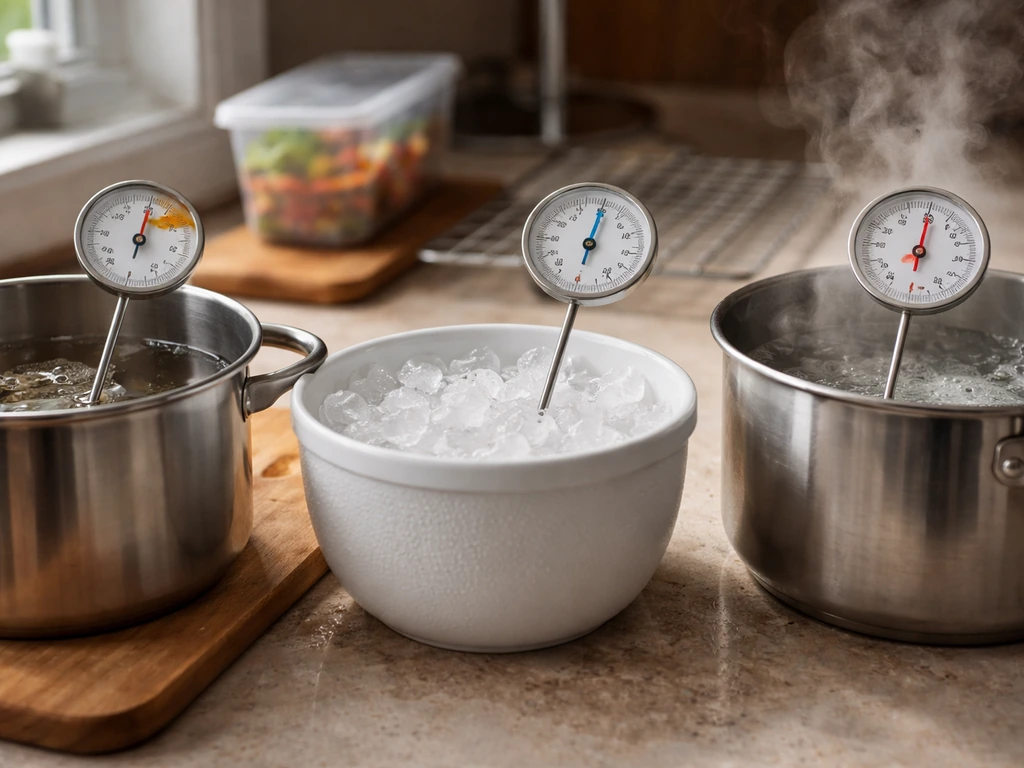
Most foodborne pathogens grow fastest in the range the USDA FSIS calls the Danger Zone: 40°F to 140°F (4°C to 60°C). Within that band, the sweet spot for many pathogens is around body temperature, 98.6°F (37°C). Above 140°F, heat starts killing most pathogens. Below 40°F, growth slows dramatically, though it rarely stops completely. The practical rule is simple: never leave perishable food in the Danger Zone for more than 2 hours (or 1 hour if the ambient temperature is above 90°F). do germs grow in hot or cold
pH
Most pathogens grow best in a near-neutral pH range, roughly 6.5 to 7.5. Acidity (low pH) is one of the oldest and most reliable growth inhibitors humans have ever used. Most pathogens slow significantly below pH 4.6, which is why that number shows up repeatedly in food safety regulations as the dividing line between foods that need refrigeration and those that can be stored at room temperature. Some pathogens, like Staphylococcus aureus, can tolerate a somewhat wider pH range, but the principle holds: the closer a food's pH is to neutral, the more hospitable it is.
Water activity (moisture)
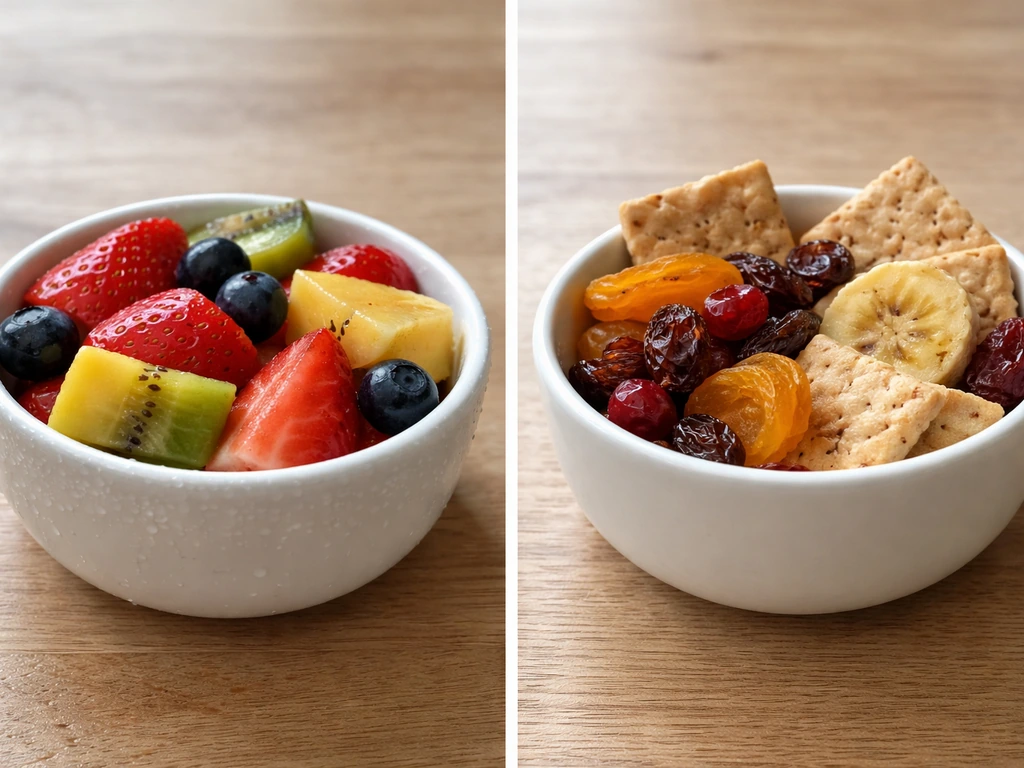
Water activity (written as aw) measures how much free water is available for microbial use, on a scale from 0 to 1.0. Pure water is 1.0. Most pathogens need aw above 0.90 to grow well. Staphylococcus aureus is a notable exception, able to grow at aw as low as 0.83, which explains why it shows up in cured meats and salty foods where other pathogens can't survive. Clostridium perfringens, by contrast, needs aw of at least 0.97, making it essentially a moist-food pathogen. Drying foods below 0.85 a_w stops growth for almost all pathogens.
Nutrients
Pathogens need protein, carbohydrates, vitamins, and minerals to multiply. Foods high in protein (meat, poultry, dairy, eggs, cooked beans, cooked grains) are the most supportive growth media. This is why food safety regulations classify these as Time/Temperature Control for Safety (TCS) foods. Highly processed or nutrient-poor foods are simply less hospitable, even if all the other conditions are met.
Where these conditions show up in the real world
Knowing the conditions is only useful if you can spot where they occur in everyday settings. Pathogens aren't abstract; they live in specific physical environments.
Food
High-protein TCS foods are the most obvious niche and are where pathogenic bacteria grow best. Raw and cooked meats, poultry, seafood, dairy, eggs, cooked rice, cut melons, cut leafy greens, and sprouts are all warm, moist, and nutrient-rich enough to support rapid pathogen growth if left at room temperature. The FDA Food Code requires cold TCS foods to be held at 41°F (5°C) or below for exactly this reason. Cooked foods are particularly vulnerable because cooking removes competing microorganisms, leaving a clean slate for any pathogen that lands on the food afterward.
Food contact surfaces
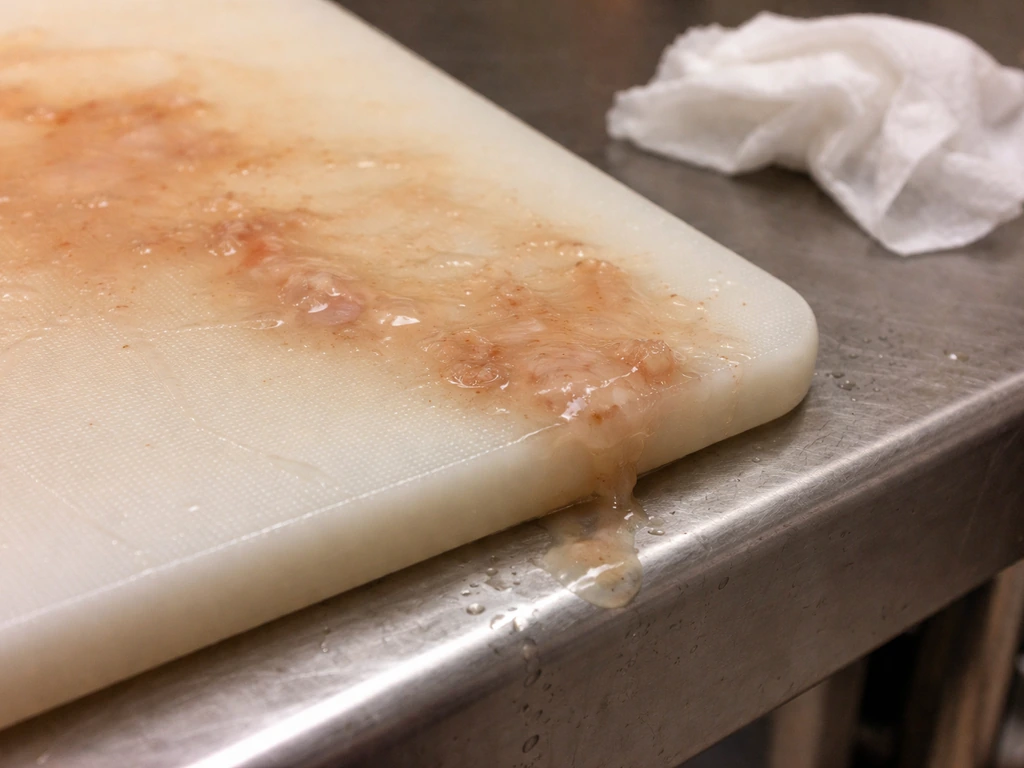
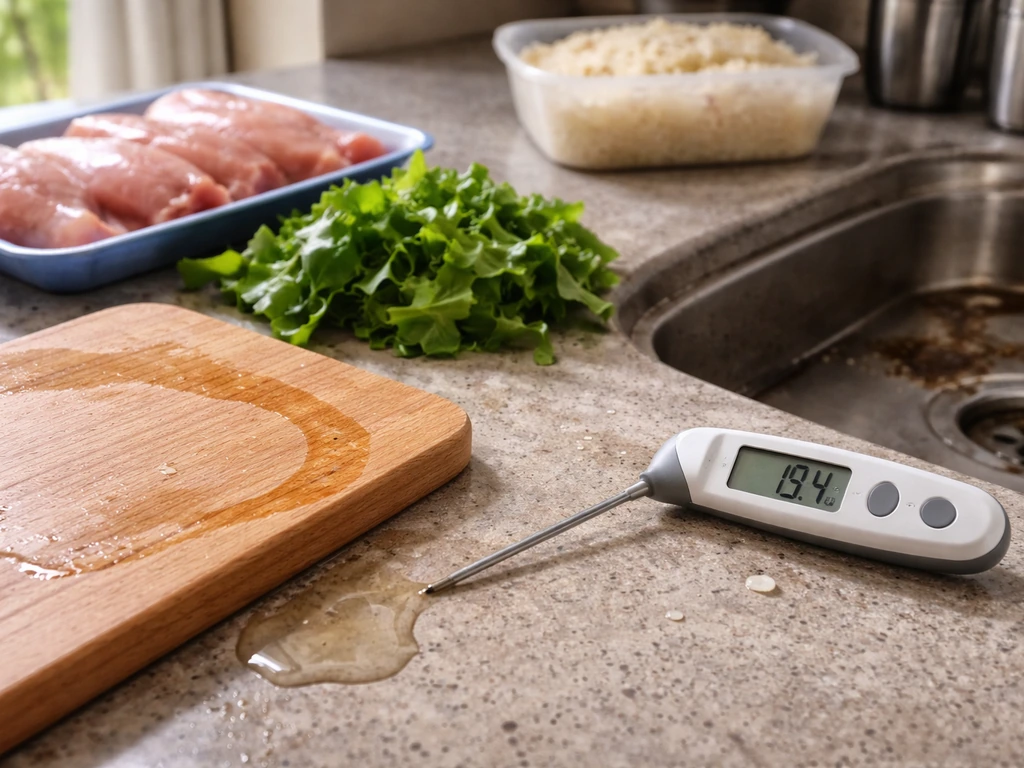
Cutting boards, slicers, prep tables, and any surface that touches raw protein can harbor pathogens long after the food has moved on. A moist, food-residue-coated surface at room temperature is an excellent growth environment. This is why sanitizing surfaces between uses matters as much as keeping food at the right temperature.
Soil and water
Soil is a natural reservoir for pathogens like Listeria monocytogenes, Clostridium botulinum, Bacillus cereus, and various Salmonella strains. They persist there without actively multiplying at high rates, but they're available to contaminate produce, irrigation water, and hands. Standing water (floor drains, puddles in food facilities, improperly drained cooling systems) provides the combination of moisture and nutrients pathogens need to thrive and transfer.
Warm, damp indoor niches
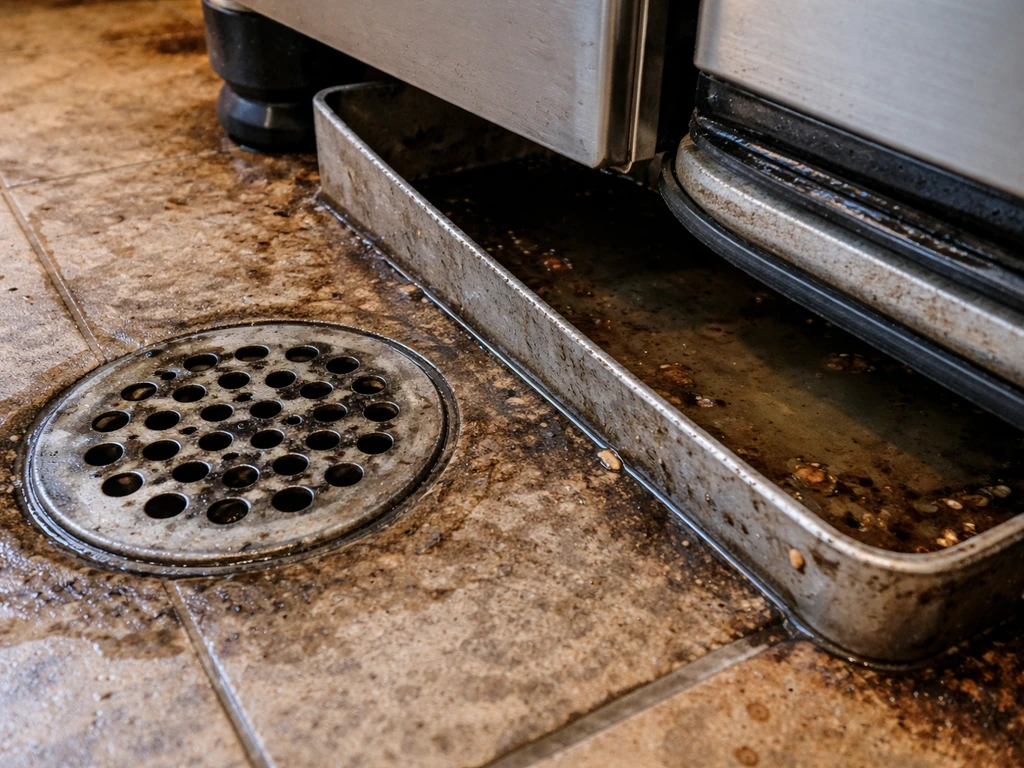
Inside a food facility or even a home kitchen, the highest-risk micro-environments tend to be places that stay warm and wet: under equipment, around floor drains, inside gaskets on refrigerator doors, and anywhere condensation collects. These spots can maintain conditions in the Danger Zone for extended periods and are frequently missed during routine cleaning.
Air and dust
Pathogens generally don't grow in air, but they can travel through it attached to dust particles or aerosol droplets. Dry environments suspend pathogens rather than destroy them. In a food production environment, HVAC systems, fans, and foot traffic can distribute contamination across a facility even when the original source is small and localized.
Oxygen availability: aerobic, anaerobic, and biofilms
Oxygen is the growth factor most often overlooked in basic food safety discussions, but it matters a lot depending on which pathogen you're dealing with.
Aerobic pathogens (like Salmonella and most Staphylococcus aureus strains) grow best where oxygen is freely available: open surfaces, loose food piles, and environments with good air circulation. Anaerobic pathogens grow best where oxygen is absent or very low. The most dangerous example is Clostridium botulinum, which produces its toxin in oxygen-free environments like improperly home-canned foods, vacuum-packed products, and the center of dense foods like baked potatoes wrapped in foil. Facultative anaerobes, including E. coli and Listeria, can grow with or without oxygen, making them particularly adaptable.
Biofilms deserve special attention. When pathogens attach to a surface and form a biofilm, they create a structured community protected by a self-produced matrix of sugars and proteins. Listeria monocytogenes is particularly good at forming biofilms on stainless steel, plastic, and rubber surfaces in food facilities. Biofilms are significantly harder to remove than individual cells: standard cleaning may leave the biofilm intact, and the cells inside can be 10 to 1,000 times more resistant to sanitizers than free-floating cells. Once a biofilm is established, pathogens can persist for months in a facility even with routine sanitation.
Best growth conditions for common foodborne pathogens
Each pathogen has its own preferred conditions. Knowing which organisms are likely in your environment helps you target the right controls.
| Pathogen | Temp Range (°F) | Optimum Temp (°F) | Min pH | Min Water Activity (a_w) | Oxygen Preference |
|---|---|---|---|---|---|
| Salmonella spp. | 41–113 | 98.6 | 3.8 | 0.94 | Aerobic/Facultative |
| E. coli O157:H7 | 44–122 | 98.6 | 3.6 | 0.95 | Aerobic/Facultative |
| Listeria monocytogenes | 32–113 | 98.6 | 4.4 | 0.92 | Aerobic/Facultative |
| Staphylococcus aureus (growth) | 50–113 | 98.6 | 4.0 | 0.83 | Aerobic/Facultative |
| Clostridium botulinum (Type A/B) | 50–118 | 95–98.6 | 4.6 | 0.93 | Anaerobic |
| Clostridium perfringens | 59–122 | 109–116 | 5.0 | 0.97 | Anaerobic/Microaerophilic |
| Bacillus cereus | 50–122 | 86–95 | 4.3 | 0.91 | Aerobic/Facultative |
| Campylobacter jejuni | 86–113 | 107.6 | 4.9 | 0.98 | Microaerophilic |
A few things stand out in that table. Listeria is the organism that keeps food safety professionals up at night partly because it grows at refrigerator temperatures (as low as 32°F). Refrigeration slows it dramatically, but it won't stop it over long storage periods. Clostridium perfringens, on the other hand, grows explosively in warm cooked meats (its optimum is around 109–116°F, still inside the Danger Zone) and needs very little oxygen to do it. And Campylobacter, the most common cause of bacterial foodborne illness in many countries, is paradoxically fragile outside its preferred conditions, needing high water activity and specific oxygen levels, yet it thrives on raw poultry in exactly those conditions.
How processing and storage shift conditions away from growth
Every preservation and processing method works by pushing one or more growth conditions outside the pathogen's tolerable range. Understanding the mechanism helps you apply it correctly.
Refrigeration and freezing
Refrigeration at 41°F (5°C) or below slows most pathogens to a crawl. It doesn't kill them, and it doesn't stop Listeria entirely, but it's the single most effective everyday control for TCS foods. Freezing (0°F / -18°C) halts all microbial growth and kills some organisms over time, but spore-forming bacteria like Clostridium and Bacillus survive freezing in their spore form and can resume growth once food is thawed. Never thaw food at room temperature, because the surface re-enters the Danger Zone long before the center thaws.
Drying and reduced water activity
Removing free water below a_w 0.85 stops growth for almost all pathogens. This is the principle behind jerky, dried fruits, crackers, and powdered ingredients. The critical point is achieving uniform drying. If any portion of a dried product retains higher moisture (inside thick pieces of jerky, for instance), growth can occur in that pocket even if the surface appears dry. Staphylococcus aureus is the main concern in partially dried foods because of its unusually low minimum water activity of 0.83.
Acidification
Dropping pH below 4.6 through fermentation (lactic acid bacteria in yogurt or sauerkraut) or direct acidification (vinegar in pickles) inhibits virtually all pathogenic bacteria of concern in food. The 4.6 threshold is where C. botulinum stops producing toxin, which is why low-acid canned foods (pH above 4.6) require pressure canning while high-acid foods (pH 4.6 or below) can be safely processed in a boiling water bath.
Sanitizers and heat treatment
Sanitizers (chlorine-based, quaternary ammonium compounds, peroxyacetic acid, and others) are designed to reduce pathogen populations on surfaces and in water. They work best on clean surfaces because organic matter (food residue, grease, protein) neutralizes sanitizers rapidly. The sequence is always: clean first, then sanitize. Heat treatment (cooking, pasteurization, retorting) kills vegetative pathogen cells reliably when time-temperature combinations are sufficient, but it doesn't destroy pre-formed toxins like that from Staphylococcus aureus, which can remain active even after the cells are dead.
Hurdle technology: combining controls
No single control is perfect on its own. Professional food safety relies on combining multiple hurdles so that each one compensates for the limitations of the others. A refrigerated, low-pH, reduced-moisture product is far safer than a product relying on temperature alone. This is why modified-atmosphere packaging, added salt, acidulants, and antimicrobials often appear together in commercial formulations.
Choosing practical control steps for your situation
The controls you prioritize depend entirely on your specific environment and which pathogens are likely present. Here's a practical way to work through it.
Step 1: Identify your highest-risk conditions
Walk through your space (kitchen, facility, storage area) and look for places where temperature, moisture, and nutrients come together. Common hot spots include: cooling units that aren't holding 41°F or below, foods sitting out during prep for more than 2 hours, wet areas under equipment, and food residue on surfaces between uses. Anywhere that combines warmth, moisture, and organic matter is a candidate growth zone.
Step 2: Match the control to the condition
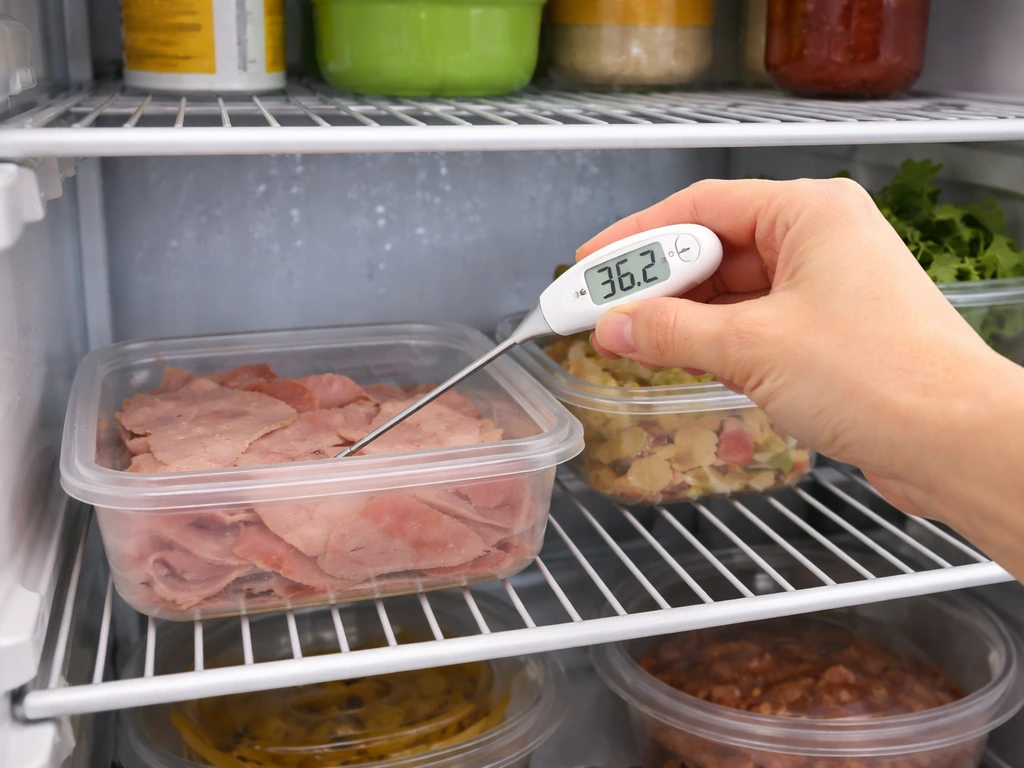
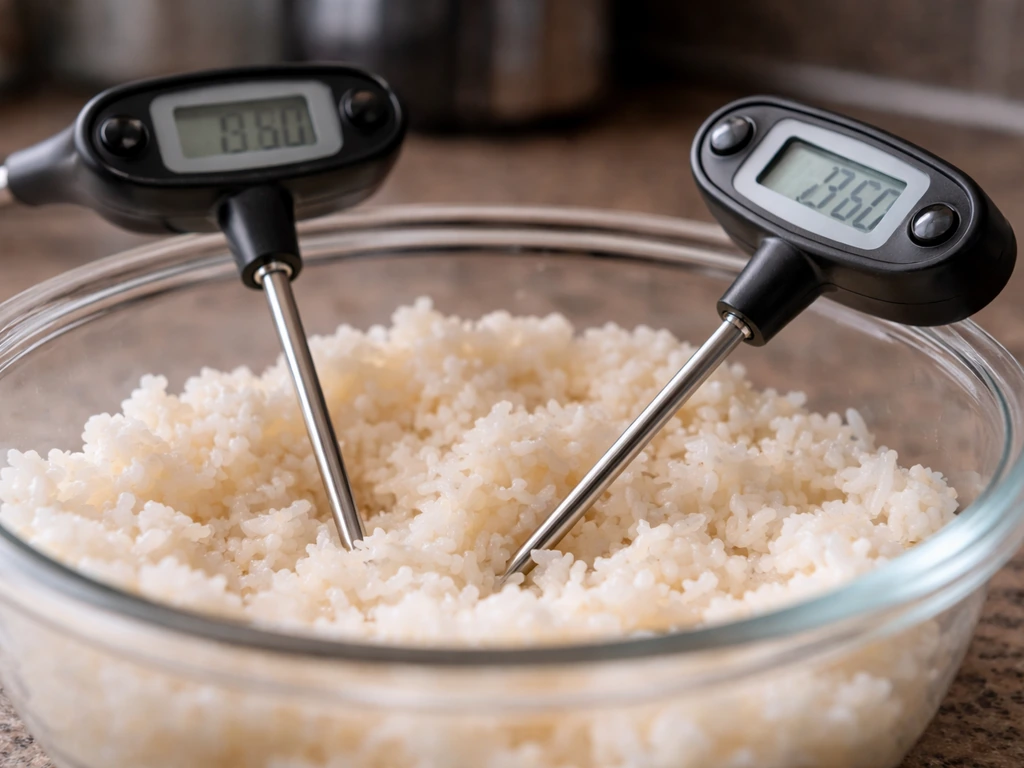
- Temperature problem: Verify refrigeration with a calibrated thermometer, not just the unit's display. Check internal food temperatures, not just ambient air.
- Moisture problem: Improve drainage, increase airflow, and extend drying times. For foods, ensure dried products reach target a_w throughout (not just on the surface).
- pH problem: Use a calibrated pH meter, not just test strips, for acidified foods. Confirm pH at the coolest spot in the product, where diffusion may be incomplete.
- Surface contamination: Clean organic matter completely before applying any sanitizer. Follow contact time recommendations for the sanitizer concentration you're using.
- Biofilm suspicion: Use an enzymatic cleaner or mechanical scrubbing in addition to chemical sanitizers. Target gaskets, drains, joints, and anywhere surfaces are rough or pitted.
Step 3: Know when to test
For home cooks and health-conscious consumers, a calibrated instant-read thermometer and a basic understanding of the 2-hour rule cover most risks. For food service operations, regular temperature logging, periodic environmental swabbing for Listeria (especially in ready-to-eat environments), and ATP bioluminescence testing for surface cleanliness are all practical monitoring tools. If you're in food manufacturing or running a HACCP program, environmental monitoring for specific pathogens should be written into your plan with defined frequency, sampling locations, and action thresholds.
Step 4: Don't forget survival vs. growth
An important distinction: pathogens that aren't growing can still cause illness if consumed in sufficient numbers. Freezing preserves bacteria that can resume growth after thawing. Dried foods can still carry pre-existing pathogen loads. This is why cooking to a safe internal temperature (165°F for poultry, 145°F for whole cuts of beef, pork, and seafood, 160°F for ground meats) matters even for foods that were properly refrigerated. Controlling growth limits how many pathogens accumulate, but heat treatment is what eliminates the threat before eating.
The bottom line is straightforward: pathogens grow best wherever temperature sits between 40°F and 140°F, moisture is high (aw above 0.90 for most), pH close to neutral, nutrients are available, and oxygen conditions favor the specific organism. Find those conditions in your environment, and you've found your risk. Push any one of those factors out of range, and you've reduced that risk. Push several of them out of range at once, and you've essentially eliminated active growth as a threat. pathogens grow best in food with little or no acid
FAQ
If pathogens are not growing in the fridge, can food still make people sick?
Yes. Many pathogens do not multiply, but they can still cause illness if they are already present in high enough numbers. Also, freezing stops growth but does not reliably eliminate bacteria, some can revive after thawing, and dried foods can carry existing cells that become active again when rehydrated.
How do I correctly apply the 2-hour Danger Zone rule in real kitchens?
The “2-hour rule” assumes the food’s surface stays in the Danger Zone for that long. The most common mistake is using the total time from serving to disposal, instead of time spent in the warm range during holding, transporting, or cooling. If the space is hot (for example, near ovens), the effective safe window can be shorter.
Where should I measure temperature to catch “hidden” growth conditions?
Spot-checking with an instant-read thermometer can miss the problem. For thick items, you need to measure the coldest spot (or the center of cooling foods). For hot holding, confirm the hottest spot, because a single cold pocket can let pathogens grow even if the rest is hot.
Does freezing make pathogens harmless, or do they come back after thawing?
Don’t rely on freezing time to “make it safe.” Freezing halts growth, but it can preserve spores and some cells that survive freezing, especially in spore-formers. Use safe thawing (refrigerator thawing or other controlled methods) so the food does not sit in the Danger Zone while the center warms up.
What’s the biggest mistake people make when using acidity to prevent pathogen growth?
Acidification must reach the right final pH throughout the food, not just at the surface. Thick sauces, dense fillings, and batch mixing unevenly can leave pockets with higher pH. If you are canning or using fermentation, follow tested recipes, because incorrect pH is a major risk for toxin-forming organisms.
If something feels dry, is it always safe from pathogen growth?
Dry looks safe, but uneven drying creates pockets with higher water activity that can support growth. For items like thick jerky pieces or layered dried snacks, ensure uniform airflow and thickness, since moisture trapped in the center can remain above the level that stops growth.
Can pathogens spread to foods even when I keep them out of the Danger Zone?
Yes, and it’s one of the most overlooked routes. Even if you keep time and temperature perfect, raw juices can contaminate ready-to-eat foods via hands, utensils, slicers, and condensate from storage. Your control should include separation and specific sanitation between raw-handling and ready-to-eat tasks.
Why do some “sanitized” surfaces still stay risky over time?
Cleaning without sanitizing can leave biofilms behind. Biofilms are protected by a matrix that makes cells harder to remove and sometimes more resistant to sanitizer once established. Use a validated cleaning-and-sanitizing procedure, and focus on persistent harborage areas like gaskets, drains, and equipment seams.
If I cook thoroughly, do I always prevent illness even if pathogens were present earlier?
Yes. Cooking kills vegetative cells, but it does not inactivate toxins that may already be present. That’s why some toxin-related illnesses can occur even if the final cook temperature is correct. Your safety strategy must prevent toxin formation by controlling growth during holding and refrigeration.
Is vacuum packaging always safer because there is no oxygen?
Vacuum packaging and foil wrapping can lower oxygen, which changes the risk profile. Some organisms (especially anaerobic toxin producers) are the ones you must consider when oxygen is removed. The safest approach is to follow product-specific instructions for time, temperature, and packaging method rather than assuming “no air” is automatically safer.
How does Listeria change the risk picture for refrigerated ready-to-eat foods?
For Listeria-prone ready-to-eat environments, refrigerating reduces growth but does not eliminate it during long storage. That means the product still needs tight time limits, cold chain control, and strong environmental cleaning targeting drains, floors, and condensation zones.
Why can leftovers become dangerous even if I refrigerated them after cooking?
One reason is that the coldest ingredient warms last, so the final internal temperature might not reflect how long parts of the batch stayed warm. Another reason is cooling dynamics, if you cool too slowly, the center spends time in the Danger Zone even when the surface cools quickly.
Next Article
Pathogens Grow Best Between Which Temperatures
Pathogens grow best in warm ranges near body temp; key safe food temps and limits to stop bacterial growth.